
When a loved one undergoes a major surgery, suffers from a severe chronic illness, or experiences a sudden critical health event, the hospital intensive care unit (ICU) provides a life-saving safety net. However, there comes a point when a patient is clinically stable but still requires intensive monitoring and technical life support. Prolonged hospital stays not only strain a family’s financial resources but can also expose vulnerable, immunocompromised patients to healthcare-associated infections (HAIs).
This is why an increasing number of families are opting for a professional ICU setup at home. Transitioning a patient from a hospital ICU to a home ICU environment allows them to heal comfortably surrounded by family, without compromising the clinical quality of their care.
However, transforming a residential bedroom into a fully functioning critical care unit requires meticulous planning. Missing even a single piece of backup equipment or failing to source the right clinical expertise can compromise patient safety. This comprehensive guide outlines the ultimate checklist needed to establish a flawless, safe, and professional critical care at home ecosystem.
1. The Physical Environment: Preparing the Room
Before moving any medical machinery into your house, you must select and prepare the physical space. The home ICU room should function as a sterile, quiet, and highly accessible sanctuary.
- Room Selection: Choose a spacious room, preferably on the ground floor, to ensure easy mobility if an emergency transfer is required. The room must have large windows for adequate ventilation but should be fitted with clean netting to keep insects out.
- Power Supply and Backups: A standard room is completely unequipped for the electrical load of a home ICU. A critical care setup requires multiple high-power electrical outlets. More importantly, you must install an uninterrupted power supply (UPS) or an inverter with a dedicated power backup of at least 4 to 6 hours. Essential devices like a mechanical ventilator or oxygen concentrator cannot afford even a few seconds of downtime.
- Sanitation and Hygiene: Strip the room of heavy carpets, rugs, thick curtains, and unnecessary wooden furniture, as these accumulate dust and dust mites. The walls and floors should be thoroughly sanitized. Set up a dedicated hand-sanitizing station right at the entrance of the room for all visiting doctors, nurses, and family members.
2. Essential Medical Equipment for Home Care
The core of an ICU setup at home lies in the technology that mirrors a hospital infrastructure. Sourcing the right medical equipment for home care through trusted providers ensures clinical accuracy and reliability.
+------------------------------------+---------------------------------------+
| Equipment Type                     | Primary Function                      |
+------------------------------------+---------------------------------------+
| 5-Function ICU Bed                 | Prevents bedsores; eases shifting     |
| Mechanical Ventilator / BIPAP      | Advanced respiratory support          |
| Multi-Para Monitor                 | Tracks ECG, SpO2, NIBP, Pulse, Temp   |
| Oxygen Concentrator / Cylinder     | Continuous oxygen delivery            |
| Suction Machine                    | Clears oral and respiratory secretions|
| DVT Pump                           | Prevents deep vein thrombosis clots   |
+------------------------------------+---------------------------------------+
Specialized Hospital Beds
A standard flat mattress will quickly lead to pressure ulcers (bedsores) and makes basic nursing tasks incredibly difficult. A professional 5-function medical motorized bed allows caregivers to raise the patient’s head, elevate the knees, and adjust the total height of the bed. Pair this with a medical-grade anti-decubitus alternating pressure air mattress to continuously shift pressure points across the patient’s body.
Respiratory Support Infrastructure
Depending on the patient’s pulmonary status, they may require a mechanical ventilator for invasive breathing assistance or a non-invasive BIPAP machine to manage sleep apnea or respiratory distress. Alongside these devices, a reliable oxygen delivery system is mandatory. We recommend a dual-layer approach: a continuous medical oxygen concentrator plugged into the wall, paired with a backup jumbo oxygen cylinder in case of sudden electrical grid failure.
Diagnostic Monitoring and Airway Clearance
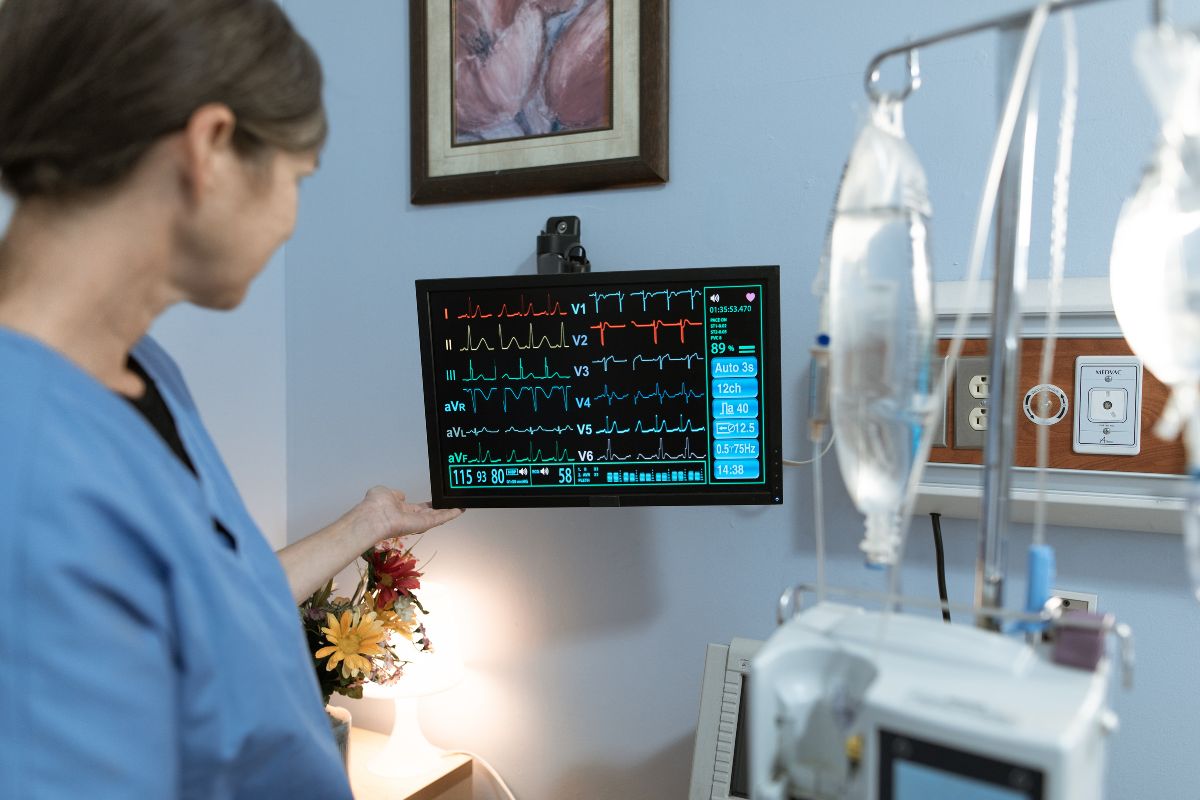
A high-accuracy multi-parameter vital sign monitor must run continuously next to the bed. This tracking device records real-time metrics including heart rate, blood pressure (NIBP), blood oxygen saturation levels, body temperature, and electrocardiogram (ECG) readouts. Furthermore, a heavy-duty suction machine is critical to clear mucus, phlegm, and oral secretions, keeping the patient’s airway unobstructed.
3. Human Infrastructure: The ICU Trained Nurse and Attendant Team
Even the most expensive medical machinery is useless without skilled eyes to read the data. Clinical supervision is the most critical pillar of clinical care at home.
           +------------------------------------------+
           |       Attending Doctor / Consultant      |
           +------------------------------------------+
                                |
                                v
           +------------------------------------------+
           |        ICU Trained Nurse (GNM/BSc)       |
           |   * Manages IV lines, ventilators, meds  |
           +------------------------------------------+
                                |
                                v
           +------------------------------------------+
           |         Trained Patient Attendant        |
           |   * Manages hygiene, feeding, mobility   |
           +------------------------------------------+
The Role of a Critical Care Nurse
For a true home ICU setup, you require a specialized ICU trained nurse (holding a GNM or B.Sc Nursing degree) with extensive previous experience in hospital critical care wards. This professional is responsible for:
- Managing invasive lines (Central lines, arterial lines, IV paths).
- Administering critical, time-sensitive intravenous medications and calculating drug dosages.
- Operating complex equipment configurations like adjusting ventilator settings or reading cardiac rhythms.
- Providing immediate emergency resuscitation or stabilizing interventions while coordinating with the primary physician.
The Role of Patient Attendants
While the nurse manages clinical tasks, a trained patient attendant handles daily living workflows. They manage sponge bathing, clothing changes, turning the patient every two hours to prevent skin breakdown, managing diaper changes, and handling enteral feeding (Ryle’s tube feeding) schedules.
4. Emergency Management Protocols
Setting up a critical care environment requires preparing for the worst-case scenario. When an emergency strikes at home, you do not have a hospital crash cart down the hallway unless you build one ahead of time.
- Emergency Contact Directory: Paste a laminated list of emergency contact numbers directly onto the wall beside the patient monitor. This directory must include the primary treating specialist, the home care agency’s 24/7 helpline, the nearest diagnostic lab, and an on-call ambulance service.
- Ambulance Coordination: Pre-arrange an emergency transport plan with an Advanced Life Support (ALS) ambulance service in your local area. An ALS ambulance contains the necessary mobile ventilation equipment to keep the patient safe if a sudden re-hospitalization becomes necessary.
- Consumables Stockpile: Keep a clear plastic container packed with at least a two-week supply of medical disposables. This inventory should include sterile gloves, syringes, IV cannulas, suction catheters, spirit swabs, sanitizers, and extra tubing. Running out of these basic items during an midnight crisis can trigger catastrophic delays.
Conclusion
Transitioning a family member to an ICU setup at home is an act of deep love and responsibility. It balances advanced clinical interventions with the warmth and emotional security of a home setting. By methodically working through this environment, equipment, staffing, and emergency checklist, you minimize risks and build a robust foundation for your loved one’s post-hospitalization recovery.
Partnering with a trusted local home healthcare specialized network streamlines this complex process. A quality provider handles the technical delivery of medical machinery, performs regular maintenance checks, and deploys verified, compassionate, and highly trained clinical personnel directly to your doorstep.