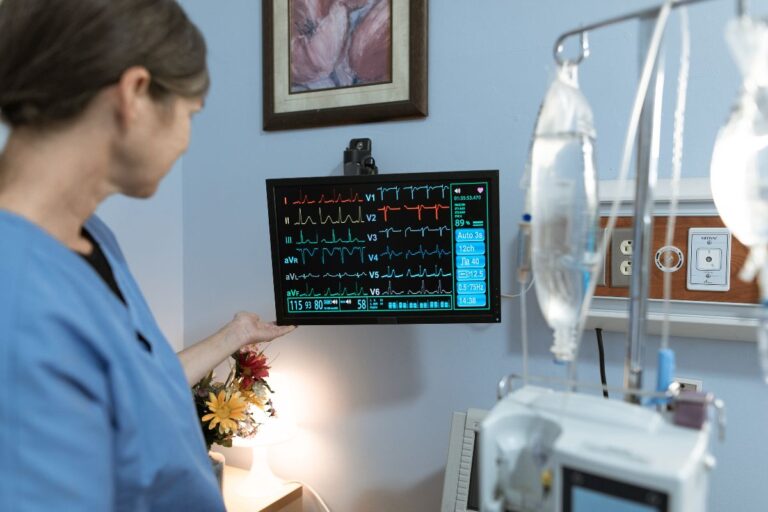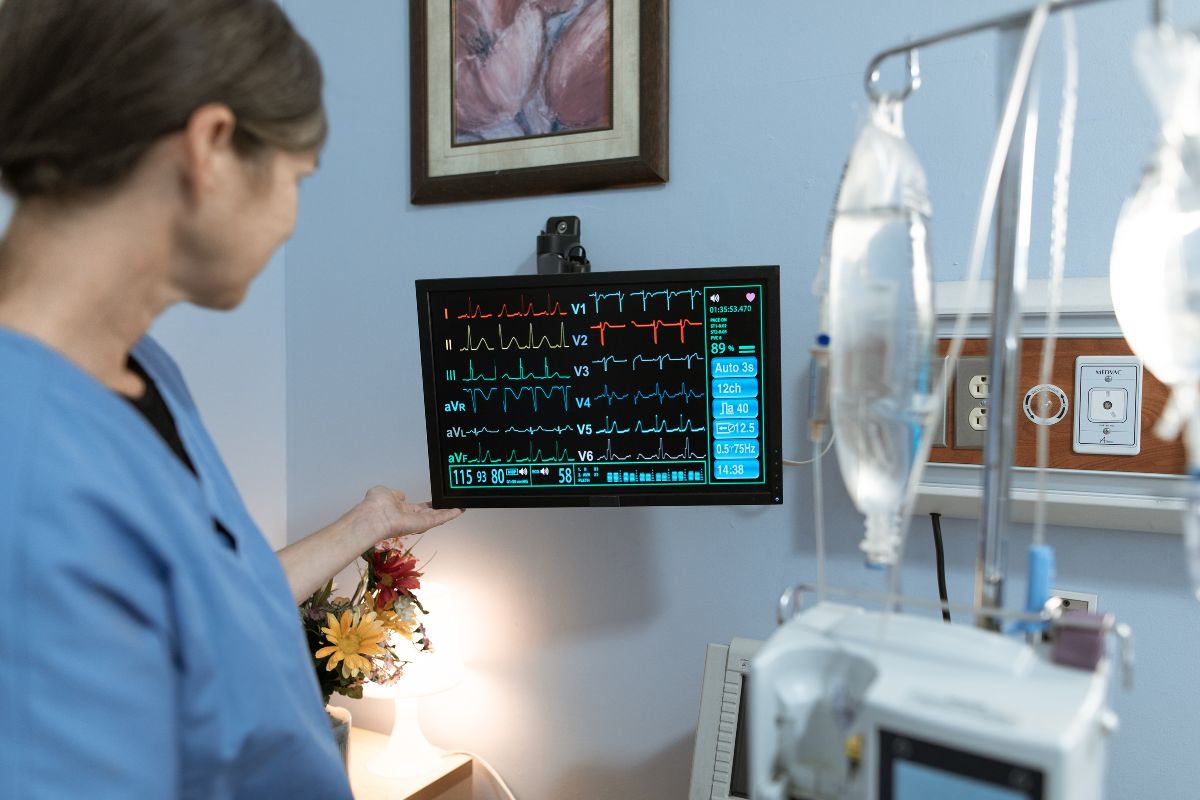

Few phrases strike more fear into a family than “your loved one needs ICU-level care.” But what many people don’t realise is that modern critical care at home has made it possible to provide the same level of monitoring and medical support outside a hospital — in the patient’s own bedroom, surrounded by family.
Whether it’s a patient on a ventilator, someone recovering from a major surgery, or a person with a serious chronic illness requiring constant monitoring, a properly equipped home ICU setup can deliver hospital-grade care with far greater comfort and dignity. This guide walks you through exactly how it works.
What Is Home-Based Critical Care?
Critical care at home replicates the essential functions of a hospital ICU — continuous monitoring, specialised equipment, and trained medical staff — within a home environment. It’s designed for patients who are medically stable enough to leave the hospital but still require intensive support, such as those recovering from major surgery, managing respiratory failure, or living with advanced chronic illness.
This isn’t a compromise on safety. With the right team and equipment, home ICU care can match — and in some cases exceed — hospital outcomes, simply because the patient isn’t exposed to hospital-acquired infections and receives truly dedicated, one-on-one attention.
Who Needs Critical Care at Home?
1. Patients on Ventilator Support
Long-term ventilator-dependent patients, whether due to neurological conditions or respiratory failure, can be managed at home with trained respiratory therapists and proper equipment — this is ventilator care at home.
2. Post-ICU Discharge Patients
Patients transitioning out of a hospital ICU often still need close monitoring during the initial recovery phase. Post-ICU care at home bridges this gap safely.
3. Tracheostomy Patients
Patients with a tracheostomy tube require regular suctioning, cleaning, and monitoring — tasks that trained home care nurses can manage effectively.
4. Patients With Multiple Organ Support Needs
Those requiring feeding tube management, catheter care, and continuous vital sign monitoring simultaneously benefit from a structured home ICU team.
5. Severe Chronic Illness Cases
Advanced heart failure, kidney failure, or COPD patients often need continuous oxygen support and monitoring that can be effectively delivered at home.
6. Post-Major-Surgery Recovery
Patients recovering from complex surgeries — cardiac, neurological, or major abdominal procedures — sometimes need intensive monitoring during the critical first few weeks at home.
What Does a Home ICU Setup Include?
A comprehensive home ICU equipment and staffing setup typically includes:
Equipment
- Hospital bed with adjustable positioning
- Ventilator or BiPAP/CPAP machine (if required)
- Oxygen concentrator and cylinders
- Multi-parameter patient monitor (heart rate, oxygen saturation, blood pressure)
- Suction machine for airway clearance
- Infusion pumps for medication administration
- Nebuliser
- Feeding pump (for patients requiring enteral nutrition)
Staffing
- Critical care-trained nurses, available round-the-clock or in shifts depending on need
- Respiratory therapists for ventilator-dependent patients
- Doctor on-call support for emergencies and treatment adjustments
- Physiotherapists for early mobilisation, when medically appropriate
At Caremate Homecare, we coordinate the full setup — equipment procurement, staff scheduling, and doctor coordination — so families don’t have to manage logistics during an already stressful time.
Benefits of Critical Care at Home vs. Hospital ICU
1. Lower Infection Risk ICUs, despite rigorous protocols, carry inherent infection risks from prolonged exposure to a hospital environment. Home care significantly reduces this risk.
2. Emotional Comfort for the Patient Being surrounded by family, familiar sounds, and a personal environment has measurable positive effects on recovery and mental well-being — something a hospital ICU simply cannot replicate.
3. One-on-One Dedicated Attention In a hospital ICU, one nurse often manages multiple critical patients. At home, your loved one receives fully dedicated, individualised care.
4. Reduced Financial Burden Extended ICU stays are among the most expensive components of hospital treatment. Home-based critical care, while still significant, is often considerably more cost-effective over time.
5. Family Involvement in Care Decisions Families can stay closely involved in day-to-day care and decision-making, rather than being restricted to limited hospital visiting hours.
How to Set Up Critical Care at Home: Step-by-Step
- Medical Assessment — A doctor or care coordinator evaluates whether the patient is stable enough for home-based critical care.
- Equipment Planning — Based on the patient’s condition, necessary equipment (ventilator, monitor, oxygen support, etc.) is identified and arranged.
- Staffing Arrangement — Critical care nurses and, if needed, respiratory therapists are assigned, often on a 24/7 shift basis.
- Home Setup — The care team sets up the equipment, arranges the room for accessibility, and ensures emergency protocols are in place.
- Doctor Coordination — Ongoing communication is established between the home care team and the treating physician for ongoing treatment adjustments.
- Continuous Monitoring — Vital signs, medication schedules, and overall condition are tracked and documented, just as they would be in a hospital ICU.
- Emergency Protocol — A clear plan for rapid hospital transfer is kept in place in case complications arise.
Is Home ICU Care Safe?
This is the question every family asks, and rightfully so. The answer is: yes, when managed by trained professionals with the right equipment. Home ICU care isn’t about replacing hospital-level expertise — it’s about extending it into the home through qualified staff, proper equipment, and continuous doctor coordination.
That said, not every critical patient is a candidate for home care. A proper medical evaluation is essential to determine whether the patient is stable enough to be safely managed outside a hospital setting.
A Family’s Experience
When a 58-year-old cardiac patient in Kolkata needed prolonged ventilator support after a major surgery, his family faced a difficult choice — extended ICU stay or bringing him home with full critical care support. After consulting with Caremate Homecare, we arranged a complete home ICU setup: ventilator, monitoring equipment, and a rotating team of critical care nurses working in 8-hour shifts, with a doctor on call. Over six weeks, he was gradually weaned off ventilator support, all while surrounded by his family in his own home — something that gave the entire family immense emotional relief during an incredibly difficult time.
Frequently Asked Questions
Q1: Can a ventilator-dependent patient really be managed safely at home?
Yes, with trained respiratory therapists, proper equipment, and continuous monitoring, ventilator care at home is both safe and effective for medically stable patients.
Q2: How much staffing is needed for home ICU care?
This depends on the patient’s condition, but critical patients typically require 24/7 nursing coverage, often in rotating shifts.
Q3: What happens in a medical emergency during home ICU care?
A clear emergency protocol, including rapid hospital transfer arrangements, is established as part of every home ICU setup at Caremate Homecare.
Q4: How is equipment for home ICU care arranged? Caremate Homecare coordinates the sourcing, installation, and maintenance of all necessary medical equipment as part of the care package.
Conclusion
Critical care at home has transformed the way families in Kolkata manage serious illness and post-ICU recovery — offering the same level of medical rigor as a hospital, combined with the comfort, dignity, and emotional support that only home can provide.
At Caremate Homecare, we specialise in setting up complete home ICU solutions, from equipment to trained critical care staff, so your loved one gets expert care without leaving home.
Considering home-based critical care for your loved one? Contact Caremate Homecare or call 8910962496 to discuss a customised care plan.