
A stroke can change life in a matter of minutes. One day, your father is reading the newspaper over his morning tea; the next, he cannot lift his right hand or speak clearly. Once hospital treatment ends, many families in Kolkata are left asking the same question: what happens now?
The answer is stroke rehabilitation. Recovery does not stop at discharge. The weeks and months that follow are when the brain relearns lost skills, and regular physiotherapy makes a real difference. In this guide, we explain the recovery timeline, safe exercises, and how stroke rehabilitation at home can help your loved one regain strength and confidence.
What Is Stroke Rehabilitation and Why Does It Matter?
A stroke happens when the blood supply to a part of the brain is blocked or a blood vessel bursts. The affected brain cells are damaged, which may cause weakness or paralysis on one side of the body (hemiplegia), trouble walking, slurred speech, memory problems or difficulty swallowing.
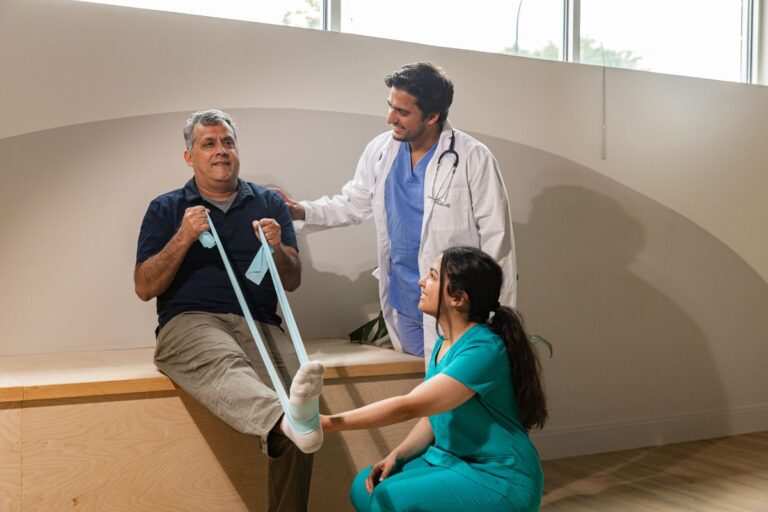
Stroke rehabilitation is a planned programme that helps the patient adapt and recover. It works because of neuroplasticity, the brain’s ability to form new connections so that healthy areas can take over some lost functions. Repetition, correct exercises and encouragement build these connections. A good programme combines physiotherapy, nursing care, speech or occupational therapy where needed, and emotional support.
When Should Physiotherapy Start After a Stroke?
Doctors usually begin gentle rehabilitation as soon as the patient is medically stable, often within a day or two in hospital. Early movement helps prevent stiff joints, muscle weakness, bedsores and blood clots. Once the neurologist or treating doctor approves, a home physiotherapist can continue the work in familiar surroundings.
Do not wait for the patient to “feel ready”. Long delays can lead to tight muscles and slower progress. At the same time, never push too hard. Always follow your doctor’s advice, especially if the patient also has high blood pressure, diabetes or a heart condition.
Stroke Recovery Timeline: What to Expect
Every stroke is different, so treat this as a general guide and not a promise.
• First few weeks: The focus is on safe positioning, turning in bed, gentle passive movements and breathing exercises. Nurses monitor blood pressure, medicines, swallowing and skin care.
• Weeks 4 to 12: Many patients show the most visible progress now. They practise sitting balance, standing with support and short walks with a walker or stick.
• Months 3 to 6: Goals shift to independent walking, dressing, eating and using the affected hand.
• After 6 months: Progress slows but often continues with regular therapy and healthy habits.
Simple Stroke Recovery Exercises at Home
Exercises should always be taught by a qualified physiotherapist, because wrong technique can cause shoulder pain or falls. A home programme may include:
• Passive range of motion: The caregiver gently moves the affected arm and leg to keep joints flexible.
• Bridging: Lying on the back with knees bent and lifting the hips slightly to strengthen the hips and back.
• Sit-to-stand practice: Rising slowly from a sturdy chair with support.
• Weight shifting: Moving body weight towards the weaker side to improve balance.
• Hand and finger exercises: Squeezing a soft ball or picking up light objects.
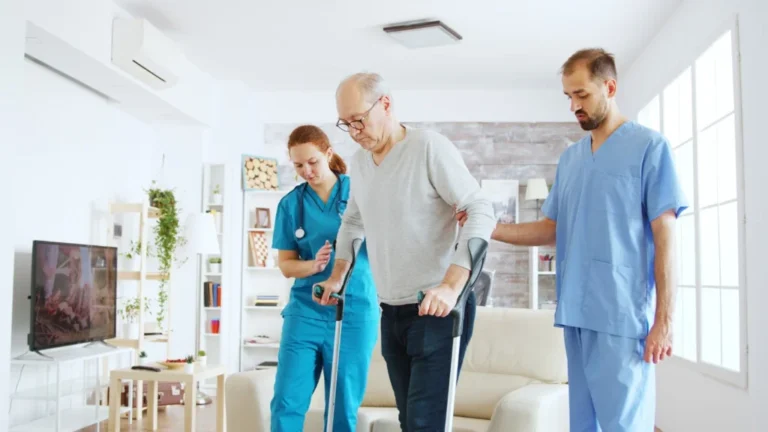
• Supported walking: Using a walker, stick or caregiver’s support.
Short sessions once or twice a day work better than one long, tiring session. Stop and call your doctor if the patient feels dizzy, has chest pain or becomes breathless.
Benefits of Stroke Rehabilitation at Home
Many families prefer home-based care, and for good reasons:
• Comfort and emotional security: Patients recover better when they feel safe and surrounded by family.
• Real-life practice: The therapist trains the patient on the actual bed, bathroom and stairs they use every day.
• No travel stress: Frequent trips to a clinic can be tiring and risky for someone with weak balance.
• Family involvement: Relatives learn how to assist correctly.
• Personal attention: Therapy is tailored to one patient, not shared across a busy clinic.
How Caremate Supports Stroke Patients at Home
At Caremate Homecare, we offer physiotherapy at home in Kolkata along with nursing care and trained attendants, so recovery is supported around the clock. Our physiotherapists create a plan around each patient’s strength and goals, while nurses look after medicines, vital signs and skin care. We can also help arrange medical equipment such as hospital beds, walkers and wheelchairs, and our team stays in regular touch with families so everyone knows how progress is going.
Tips for Families Caring for a Stroke Patient
• Be patient and celebrate small wins, like holding a spoon or taking two extra steps.
• Encourage independence instead of doing everything for the patient.
• Give medicines on time and keep blood pressure and sugar under control.
• Follow the doctor’s diet advice, which is usually low in salt and oil.
• Watch for low mood. Depression is common after a stroke, and counselling can help.
• Keep walkways clear and use non-slip mats to prevent falls.
Know the Warning Signs
A second stroke can happen. Remember FAST: Face drooping, Arm weakness, Speech difficulty, Time to call emergency services. If any sign appears suddenly, go to the nearest hospital immediately. Do not wait for the next therapy session.
Frequently Asked Questions
1. How long does stroke recovery take?
It varies from person to person. Many patients improve the most in the first three to six months, though progress can continue for a year or more with regular therapy.
2. Can a stroke patient fully recover at home?
Some patients recover almost fully, while others regain partial independence. The outcome depends on the severity of the stroke, how early rehabilitation begins and how consistent the therapy is. Doctor-guided rehabilitation at home is a safe way to continue care after discharge.
3. How often should a physiotherapist visit?
This depends on the patient’s condition. Many patients begin with frequent sessions that are reduced as they improve. The physiotherapist will advise after an assessment.
4. Is it safe to do stroke exercises at home without a therapist?
It is not recommended. Wrong movements can cause pain, injury or falls. Learn the exercises from a qualified physiotherapist first.
5. What if the patient is bedridden?
Even bedridden patients benefit from gentle passive exercises, regular position changes and nursing care to prevent bedsores and stiffness.
Book an Appointment with Caremate Homecare
Is someone in your family recovering from a stroke? Do not let the recovery window pass. Book an appointment with Caremate Homecare today and let our trained physiotherapists and nurses guide your loved one, step by step, in the comfort of home. Call 8910962496 to schedule a consultation.