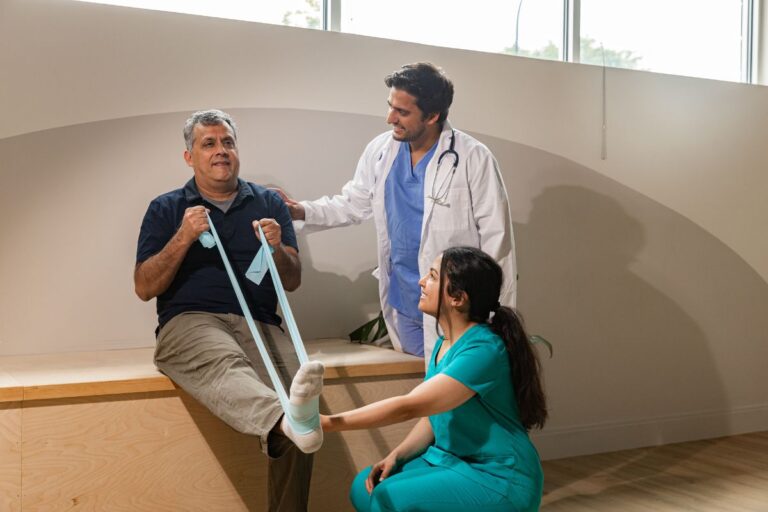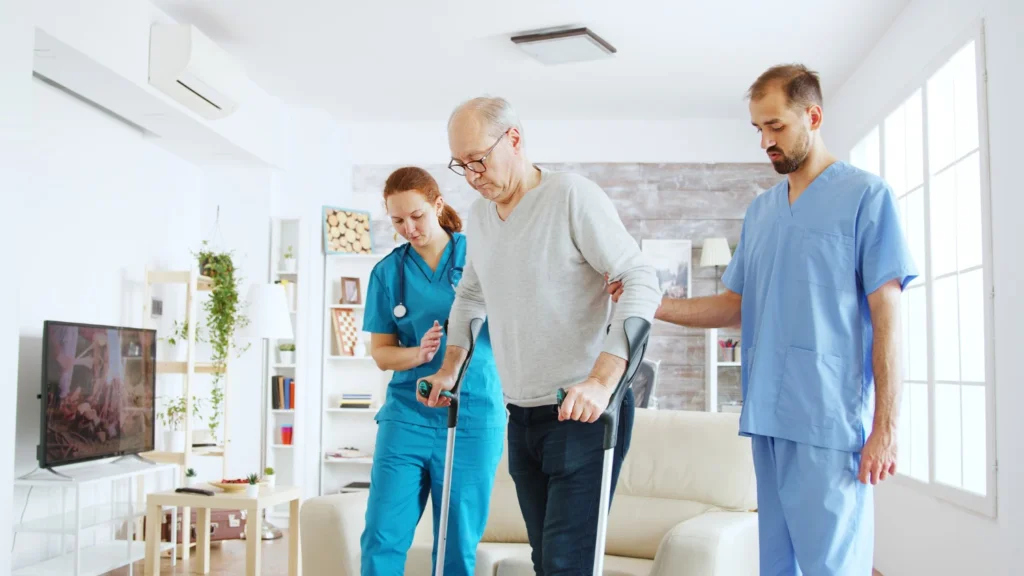

After a stroke, a fracture, or a joint replacement, the road back to independent movement can feel long. Travelling to a clinic is often the hardest part, especially for elderly or bedridden patients. Home physiotherapy solves this by bringing a qualified physiotherapist to the patient’s bedside, so treatment starts earlier and continues consistently.
This guide explains who benefits, how a home session works, what recovery may look like, and how to choose a good provider.
What Is Home Physiotherapy?
Home physiotherapy is a rehabilitation service where a trained physiotherapist visits the patient’s home to assess, treat, and coach them through exercises and movement. The aim is to reduce pain, restore strength and mobility, prevent complications like stiffness and pressure sores, and help the patient return to daily activities safely.
Sessions take place in the environment where the patient actually lives, which means the physiotherapist can practise real tasks such as getting out of bed, using the bathroom or climbing the stairs in that home.
Conditions Treated With Home Physiotherapy
Stroke and neurological conditions
After a stroke, early and regular rehabilitation helps with weakness, balance, walking, coordination and speech-related muscle control. Neuro physiotherapy is also used for Parkinson’s disease, spinal cord problems, nerve injuries and other neurological disorders.
Post-surgery rehabilitation
Common examples include knee replacement, hip replacement, spine surgery and fracture fixation. Physiotherapy helps restore joint movement, rebuild muscle strength and teach safe ways to move.
Fractures and orthopaedic injuries
Once the doctor permits movement, guided exercises help prevent stiffness and muscle wasting, especially in elderly patients recovering from hip or wrist fractures.
Back, neck and joint pain
This includes lower back pain, sciatica, slipped disc, cervical spondylosis, frozen shoulder and arthritis. Treatment typically combines exercises, posture correction and pain-relief techniques.
Elderly care and fall prevention
Geriatric physiotherapy focuses on strength, balance and gait training to lower the risk of falls, which are a leading cause of serious injury in older adults.
Bedridden and post-ICU patients
Patients who have spent long periods in bed lose muscle and can develop joint stiffness and pressure sores. Gentle mobilisation, breathing exercises and positioning support recovery.
Respiratory problems
Chest physiotherapy and breathing exercises can help patients with COPD, post-pneumonia weakness or reduced lung capacity, under medical guidance.
What Happens in a Home Physiotherapy Session?
- Assessment. The physiotherapist reviews medical reports, asks about symptoms and goals, and checks strength, movement, balance and pain.
- Goal setting. Realistic short- and long-term goals are agreed with the patient and family. For example: sit unsupported in two weeks, walk with a walker in six weeks.
- Treatment. Depending on the condition, this may include therapeutic exercises, stretching, mobilisation, balance and gait training, and pain-relief modalities.
- Family training. Caregivers learn how to help safely with transfers, positioning and daily exercises.
- Home programme. Simple exercises are prescribed for the days between visits, because consistency drives recovery.
- Progress review. The plan is updated as the patient improves, and the treating doctor is kept informed where needed.
How Long Does Recovery Take?
Recovery time varies widely and depends on age, the severity of the condition, general health, and how regularly the patient exercises. No honest provider can promise an exact date. As a general picture:
- Post-surgery rehabilitation often runs for several weeks to a few months, with progress in stages: pain control, movement, strength, then function.
- Stroke rehabilitation may continue for months, with the fastest gains often seen early, though improvement can continue longer with consistent therapy.
- Back and neck pain may improve within a few weeks for some, while chronic problems need longer management.
- Elderly balance and strength programmes work best as ongoing routines rather than short courses.
Your physiotherapist should explain the expected pattern for your specific case and adjust it as you progress.
Home Physiotherapy vs Clinic Physiotherapy
| Factor | Home | Clinic |
| Travel | None | Required |
| Best for | Elderly, bedridden, post-surgery, stroke patients | Mobile patients who can travel easily |
| Equipment | Portable equipment only | Wider range of machines |
| Personal attention | One-to-one | Often shared |
| Family involvement | Easy | Limited |
| Real-life practice | In the patient’s own environment | In a clinical setting |
Home therapy is often the better choice when travelling is painful, risky or exhausting. Some patients later move to clinic sessions when they are stronger.
Signs You Should Consider Home Physiotherapy
- The patient cannot travel to a clinic without help or pain
- The doctor has advised early mobilisation after surgery or stroke
- A senior has had recent falls or is afraid of walking
- The patient is bedridden and developing stiffness
- Family members are unsure how to help with exercises safely
How to Choose a Good Home Physiotherapist
- Qualification: A registered physiotherapist with recognised training
- Relevant experience: Neurology, orthopaedics or geriatrics, depending on the need
- Clear assessment and goals: Beware of anyone who promises a quick cure
- Communication: Willing to explain the plan and coordinate with the doctor
- Reliability: Regular schedules and proper follow-ups
Also see our checklist on what to check before hiring a home healthcare provider.
Combine Physiotherapy With Nursing and Equipment
Recovery works best when several parts of care work together. A nurse can manage medicines, wound care and vitals, while the physiotherapist restores movement. The right equipment, such as a hospital bed, walker, wheelchair or air mattress, makes exercises safer and prevents complications. Caremate can arrange home nursing, medical equipment and physiotherapy together, so families deal with one team.
Tips to Get the Best Results at Home
- Keep a clear, non-slip space for exercises, with a sturdy chair or bed nearby.
- Follow the home exercise plan daily, even on days without a visit.
- Keep a simple diary of pain levels, walking distance and difficulties, and share it with the physiotherapist.
- Celebrate small improvements, since motivation strongly affects recovery.
When to Pause and Call the Doctor
Stop the exercise and seek medical advice if the patient develops sudden severe pain, chest pain, breathlessness, dizziness, new swelling, fever, or any wound problem after surgery.
Frequently Asked Questions
Is home physiotherapy as effective as clinic physiotherapy?
For many patients, yes. Effectiveness depends on the quality of the therapy and how consistently exercises are done, not the location.
How many sessions will I need?
This depends on your condition and goals. The physiotherapist will suggest a plan after the first assessment and review it regularly.
Do I need a doctor’s referral?
It is helpful, especially after surgery, stroke or fracture, so the physiotherapist can follow the doctor’s precautions.
Can physiotherapy be done for a bedridden patient?
Yes. Gentle passive and assisted movements, positioning and breathing exercises can prevent stiffness and complications.
What should I keep ready for the first visit?
Medical reports, prescriptions, scans, a list of medicines and a comfortable space to move around.
Book a Home Physiotherapist in Kolkata
Speak to Caremate Homecare about your recovery needs. Call 8910962496 or email info@carematehomecare.com to arrange an assessment at home.