
Leaving a loved one in a hospital Intensive Care Unit (ICU) is emotionally stressful and financially draining. With the advancement of modern medical technology, setting up a clinical-grade ICU at Home has become a viable alternative for many families in Kolkata.
However, home critical care is not suitable for every patient. Understanding the distinct differences between a home-based ICU and a hospital setting is crucial for making an informed choice.
What is a Real “ICU at Home”?
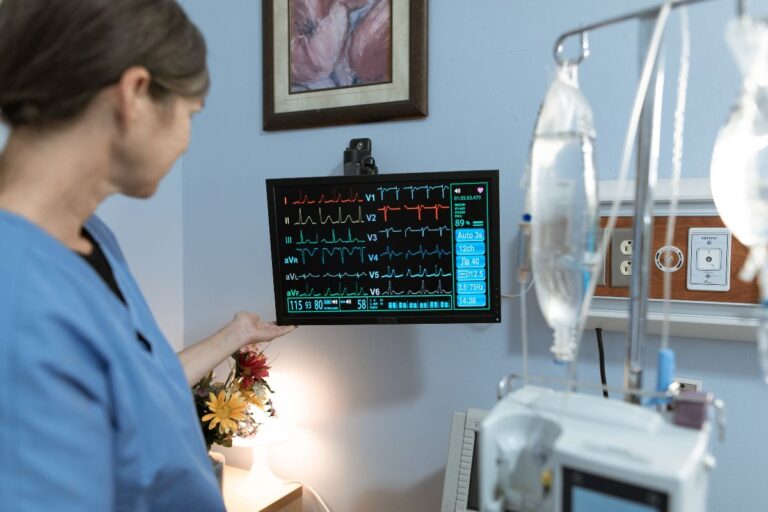
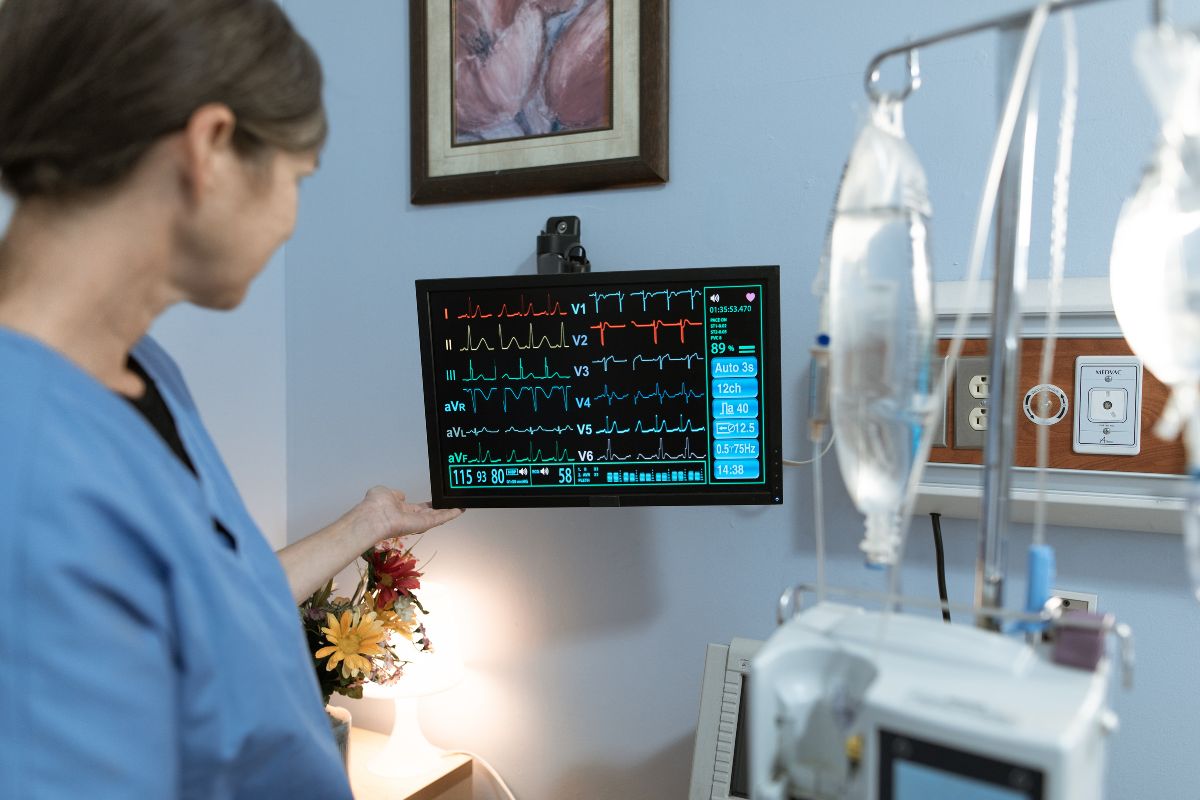
A legitimate home ICU setup is not simply putting a medical bed in a bedroom. It is the comprehensive replication of a sub-acute critical care unit, consisting of:
- Advanced Equipment: Hospital-grade ventilators, BiPAP/CPAP machines, multiparameter monitors, syringe pumps, and continuous oxygen delivery systems.
- Specialized Staff: 24/7 critical care nurses (B.Sc./GNM) working under the remote supervision of a treating intensivist or physician.
- Infection Control: Strict clinical sanitization protocols to prevent secondary infections.
ICU at Home vs. Hospital ICU: The Real Differences
1. Clinical Capability & Safety
- Hospital ICU: Offers immediate access to emergency diagnostics (CT scans, X-rays, emergency lab work) and surgical intervention within minutes if a patient crashes.
- ICU at Home: Designed for patients who are medically stable but device-dependent (e.g., long-term ventilator support, stroke recovery, terminal palliative care). It cannot manage sudden, hyper-acute emergencies that require surgical theatres.
2. The Cost Dynamic
Hospital ICU beds in private facilities across Kolkata can range anywhere from ₹30,000 to ₹1,000,000+ per day, depending on the interventions required. Setting up an ICU at home can cut these daily costs by 50% to 70%, making long-term recovery financially manageable for families.
3. Emotional and Psychological Impact
Hospitals enforce strict visiting hours, often leaving elderly or critically ill patients isolated, which can contribute to “ICU delirium.” At home, the patient is surrounded by familiar sights, sounds, and family members, which clinical studies show significantly boosts mental well-being and speeds up neurological recovery.
Is Your Loved One Eligible for Home ICU?
A home ICU should only be initiated if:
- The primary treating hospital physician officially clears the patient for home discharge.
- The patient’s vital signs are stable, despite requiring mechanical support.
- The home has a dedicated, well-ventilated room with a continuous, uninterrupted power supply.