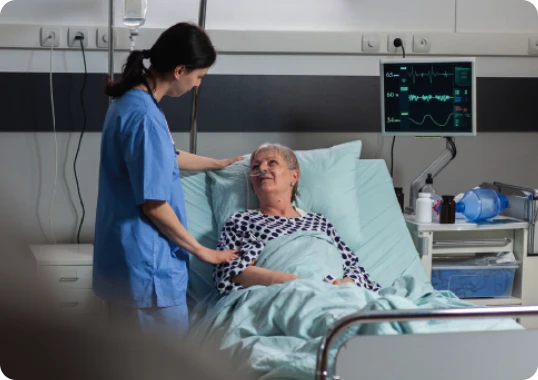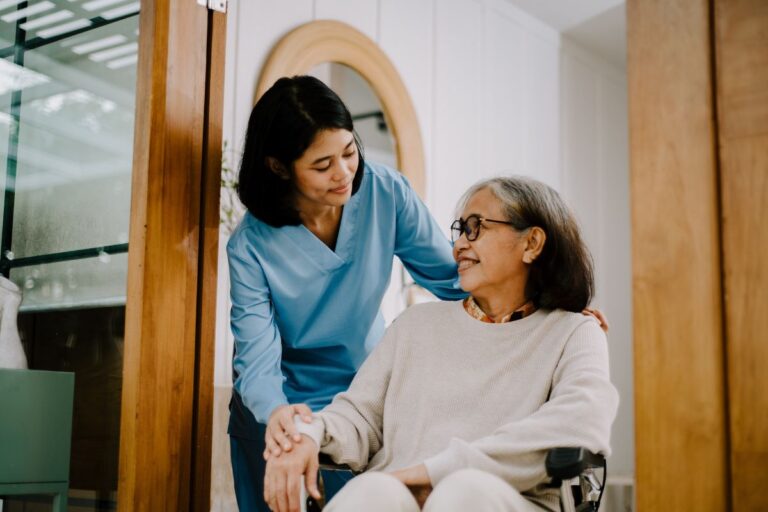

Caring for a bedridden family member is one of the most demanding caregiving situations a family can face. Beyond the emotional toll, it requires consistent, hands-on medical and physical support — often around the clock. One of the most common questions families ask us is: do we need a nursing attendant, or a fully trained nurse? The answer depends entirely on the patient’s specific medical condition, and getting it right matters for both safety and recovery.
This guide breaks down exactly what kind of nursing care a bedridden patient needs, and how to determine the right level of support.
Why Bedridden Patients Need Specialized Care
Being bedridden — whether due to stroke, paralysis, advanced age, terminal illness, or severe injury — comes with serious health risks beyond the original condition, including:
- Bedsores (pressure ulcers) from prolonged immobility
- Muscle atrophy and joint stiffness
- Respiratory complications from reduced mobility
- Urinary tract infections, especially with catheter use
- Poor nutrition and dehydration if feeding isn’t properly managed
- Blood clots (deep vein thrombosis) due to inactivity
Managing these risks requires more than basic assistance — it requires trained, consistent care tailored to the patient’s specific condition.
Nursing Attendant vs. Registered Nurse: What’s the Difference?
Nursing Attendant (GDA – General Duty Assistant)
A nursing attendant provides non-clinical, daily living support, including:
- Assistance with bathing, feeding, and toileting
- Repositioning the patient to prevent bedsores
- Basic mobility support
- Companionship and monitoring for general wellbeing
Attendants are not trained or authorized to perform clinical medical procedures like injections, wound dressing, or catheter management.
Registered Nurse (GNM/ANM)
A registered nurse provides clinical, medical-grade care, including:
- Wound dressing and bedsore management
- Catheter and Ryle’s tube/feeding tube care
- Medication administration, including injections
- Monitoring vitals (BP, oxygen, pulse, temperature)
- Recognizing and responding to medical complications
- Coordinating with the treating doctor on care adjustments
What Type of Nurse Does a Bedridden Patient Actually Need?
If the Patient Has Only Mobility Limitations (No Complex Medical Needs)
A trained nursing attendant may be sufficient — focused on repositioning, hygiene, feeding assistance, and preventing bedsores through regular movement and skin care.
If the Patient Has Medical Complications (Catheter, Feeding Tube, Wounds, Chronic Illness)
A registered nurse is essential — someone capable of managing tube care, medication schedules, wound dressing, and recognizing early signs of infection or complications.
If the Patient Is on a Ventilator or Has Critical Care Needs
A critical care-trained nurse is required, with specific experience in tracheostomy care, ventilator management, and continuous vital monitoring.
For Most Bedridden Patients: A Combined Approach
In many cases, the ideal solution is a nurse and attendant working together — the nurse handles clinical tasks and medical monitoring, while the attendant supports daily living needs, especially for 24-hour care requirements.
Essential Care Tasks for Bedridden Patients
Whether provided by a nurse, attendant, or both, effective bedridden patient care should include:
- Regular repositioning (every 2 hours) to prevent bedsores
- Skin care and pressure point monitoring
- Proper nutrition and hydration management, including tube feeding if required
- Catheter and hygiene care to prevent infections
- Passive range-of-motion exercises to reduce muscle atrophy and stiffness
- Respiratory care, including positioning to support breathing
- Emotional engagement and companionship to support mental wellbeing
How to Choose the Right Care Provider for a Bedridden Patient
When evaluating a home care provider for a bedridden loved one, ask:
- Do you offer both registered nurses and trained attendants, and can they work together?
- Does your staff have specific experience with bedsore prevention and management?
- Can your nurse handle tube feeding, catheter care, and wound dressing if needed?
- Is 24-hour care available, including night-shift coverage?
- How do you train staff to recognize complications like infection or respiratory distress?
How Caremate Homecare Supports Bedridden Patients
Caremate Homecare provides a full spectrum of care for bedridden patients in Kolkata, including:
- Registered nurses for wound care, catheter management, medication, and vitals monitoring
- Trained attendants for daily living support, repositioning, and companionship
- Combined nurse-attendant care plans for comprehensive 24-hour support
- Bedsore prevention protocols built into every care plan
- Medical equipment support, including hospital beds and air mattresses to reduce pressure sore risk
- Regular family updates so you always know your loved one is being cared for properly
We assess each patient’s specific condition to recommend the right combination of nursing and attendant support, rather than a one-size-fits-all approach.
Frequently Asked Questions
1. Can an attendant alone manage a bedridden patient’s care?
Only if the patient has no complex medical needs like wounds, tubes, or catheters. If any clinical care is required, a registered nurse should be involved.
2. How often should a bedridden patient be repositioned?
Generally every 2 hours to prevent bedsores, though this may vary based on the patient’s skin condition and risk level.
3. Do you provide both nurses and attendants for 24-hour bedridden patient care?
Yes, Caremate Homecare offers combined nurse-attendant care plans designed specifically for round-the-clock bedridden patient support.
4. What equipment helps prevent bedsores at home?
An air/pressure-relief mattress, along with regular repositioning and proper skin care, significantly reduces bedsore risk. We can arrange this equipment alongside nursing care.
Get the Right Level of Care for Your Bedridden Loved One
Choosing between a nursing attendant and a registered nurse shouldn’t be guesswork. Caremate Homecare assesses your loved one’s specific needs and provides the right combination of skilled, compassionate care at home in Kolkata.
Call us at 8910962496 to discuss the right care plan for your bedridden family member.