
Recovering after surgery can be physically and emotionally challenging for patients and their families. While hospitals provide excellent surgical care, the real healing journey often begins at home. This is where home nursing care plays a vital role. With professional support, patients can recover safely, comfortably, and with greater confidence in their own familiar environment.
In India, more families are choosing home-based healthcare because it offers personalized attention and peace of mind. In this blog, we will explore how home nursing care supports faster and smoother recovery after surgery.
Understanding Post-Surgery Recovery at Home
After surgery, the body needs time, proper care, and monitoring to heal. Many patients face challenges such as:
- Pain management
- Risk of infection
- Limited mobility
- Medication schedules
- Emotional stress
- Wound care needs
Without proper supervision, recovery may slow down, or complications may arise. This is why trained nurses for home care are becoming an essential part of post-operative care in India.
What Is Home Nursing Care?
Home nursing care means professional medical support provided at the patient’s home by qualified nurses. These services are designed to help patients recover safely without frequent hospital visits.
At Caremate Homecare, experienced nurses deliver hospital-quality care in the comfort of your home, ensuring patients receive the attention they truly need.
Benefits of Home Nursing Care for Post-Hospital Recovery
1. Faster Healing in a Comfortable Environment
One of the biggest advantages of home nursing care is comfort. Patients heal better when they are relaxed and stress-free.
At home, patients benefit from:
- Familiar surroundings
- Better sleep quality
- Emotional support from family
- Reduced hospital-related anxiety
Studies and real-life experiences show that patients often recover faster when they feel safe and comfortable.
2. Professional Wound Care and Infection Prevention
Post-surgical wounds require proper cleaning, dressing, and monitoring. Even a small mistake can lead to infection or delayed healing.
Trained nurses provide:
- Sterile wound dressing
- Monitoring for signs of infection
- Stitch and staple care
- Drain management (if required)
Their clinical expertise significantly reduces the risk of complications and hospital readmission.
3. Proper Medication Management
After surgery, patients often need multiple medicines such as:
- Painkillers
- Antibiotics
- Blood thinners
- Supplements
Missing doses or taking incorrect medicines can slow recovery. Home nurses ensure:
- Medicines are given on time
- Correct dosage is followed
- Side effects are monitored
- Doctor instructions are strictly followed
This structured approach keeps recovery on track.
4. Pain Management and Comfort Care
Pain is common after surgery, but unmanaged pain can affect mobility, sleep, and healing.
Home nursing care helps by:
- Monitoring pain levels
- Administering prescribed pain relief
- Using positioning techniques
- Providing comfort support
With professional care, patients feel more relaxed and recover with less distress.
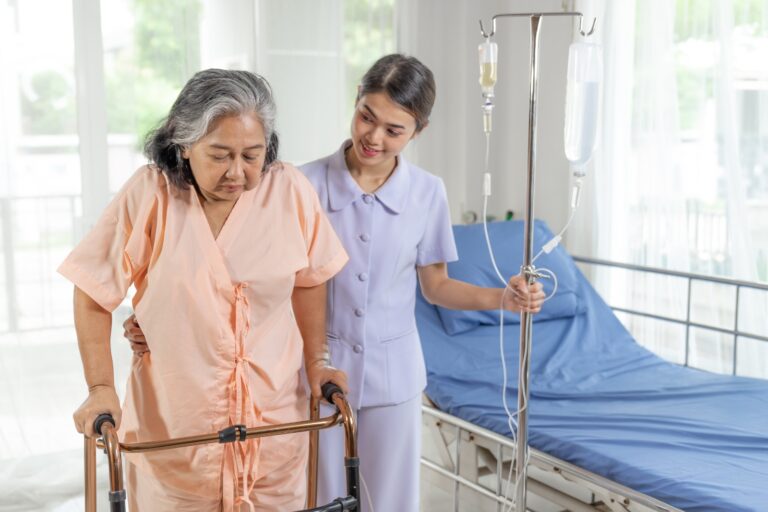
5. Mobility Support and Fall Prevention
Many patients struggle to move after surgery, especially after:
- Orthopedic procedures
- Joint replacements
- Abdominal surgeries
- Cardiac surgeries
Lack of movement can lead to stiffness, blood clots, or muscle weakness.
Home nurses assist with:
- Safe walking support
- Bed mobility
- Basic physiotherapy guidance
- Fall prevention
This helps patients regain strength gradually and safely.
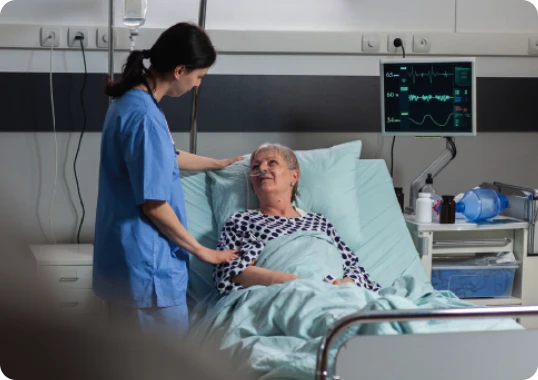
6. Continuous Health Monitoring
Post-operative patients need close observation, especially in the first few weeks.
Home nursing care includes regular monitoring of:
- Blood pressure
- Pulse rate
- Oxygen levels
- Temperature
- Blood sugar (if required)
Early detection of any abnormal sign allows quick medical action, preventing serious complications.
7. Reduced Hospital Visits and Readmissions
Frequent hospital visits can be tiring, expensive, and risky, especially for elderly patients.
With trained nurses for home, many follow-up needs can be managed at home, such as:
- Injection administration
- IV fluid management
- Catheter care
- Dressing changes
This reduces the burden on both patients and family members.
8. Emotional Support for Patients and Families
Recovery is not just physical — emotional well-being matters too.
Patients often feel:
- Anxiety after surgery
- Fear of complications
- Dependence on others
- Mood changes
Compassionate home nurses provide reassurance, companionship, and encouragement. Their presence builds confidence in patients and reduces family stress.
9. Personalized One-to-One Care
In hospitals, nurses must attend to many patients at once. At home, the care is fully personalized.
Benefits include:
- Dedicated attention
- Care plans tailored to the patient
- Flexible scheduling
- Family involvement in care
This individualized approach greatly improves recovery outcomes.
10. Special Support for Elderly Surgical Patients
Senior citizens often take longer to recover after surgery due to:
- Weak immunity
- Multiple health conditions
- Reduced mobility
- Higher infection risk
Home nursing care is especially valuable for elderly patients because it provides continuous supervision without the stress of hospital stays.
When Should You Consider Home Nursing Care?
You should consider home nursing support if your loved one has undergone:
- Knee or hip replacement
- Heart surgery
- Abdominal surgery
- Cancer surgery
- Spine surgery
- Any major or minor procedure requiring monitoring
It is also highly recommended for patients who:
- Live with elderly caregivers
- Have limited mobility
- Need regular injections or IV care
- Require long-term wound care
Why Indian Families Prefer Home Nursing Care
In India, family plays a central role in recovery. Home care supports this cultural strength while adding professional medical expertise.
Families choose home nursing care because it offers:
- Hospital-quality care at home
- Cost-effective recovery
- Comfort and dignity
- Less exposure to hospital infections
- Peace of mind for caregivers
This combination makes it one of the most trusted recovery solutions today.
Why Choose Caremate Homecare?
When it comes to post-surgery recovery, choosing the right provider matters. Caremate Homecare focuses on compassionate, clinically sound, and family-friendly services.
What makes them reliable:
- Qualified and verified nursing staff
- Strict hygiene protocols
- Customized care plans
- Timely service
- Affordable packages
- Strong patient support
Their trained nurses for home care are experienced in managing post-operative patients across different medical conditions.
Tips for Families Supporting Recovery at Home
Along with professional nursing support, families can help with recovery by:
- Keeping the home clean and well-ventilated
- Following diet instructions
- Encouraging gentle movement
- Ensuring medicines are stocked
- Watching for warning signs
- Maintaining follow-up with doctors
When families and nurses work together, recovery becomes smoother and safer.
Final Thoughts
Surgery is only the first step — proper recovery care determines long-term health outcomes. Home nursing care bridges the gap between hospital treatment and complete healing.
With expert monitoring, compassionate support, and personalized attention, patients recover faster, safer, and more comfortably at home. For Indian families looking for dependable post-surgical support, professional home nursing is truly a game-changer.
If you want safe and reliable recovery care for your loved one, contact us today to learn how Caremate Homecare can support your healing journey.