
Recovering after surgery can be physically demanding and emotionally overwhelming for patients and families. While the operation may be successful, the healing process after discharge often requires close monitoring, proper medication, wound management, and assistance with daily activities.
For many patients, the biggest challenge starts after leaving the hospital.
This is why home nursing care after surgery has become increasingly important. Professional nursing services at home help patients recover safely and comfortably while reducing the risk of complications and hospital readmission.
Whether it is a major surgery, orthopedic treatment, cardiac procedure, or abdominal operation, having a trained nurse at home can make recovery smoother and faster.
In this guide, we will explain why post-surgery nursing care at home matters, who needs it, its benefits, and what services are included.
Why Post-Surgery Care Is Important
Many patients believe surgery is the hardest part of treatment.
In reality, recovery after surgery plays an equally important role.
Without proper post-operative care, patients may face:
- Infections
- Delayed healing
- Medication mistakes
- Mobility issues
- Pain complications
- Hospital readmission
Professional home nursing care after surgery helps minimize these risks while supporting faster healing.
What Is Home Nursing Care After Surgery?
Post-surgery nursing care at home refers to medical and recovery support provided by trained nurses after a patient is discharged from the hospital.
Depending on the surgery and patient condition, services may include:
- Wound dressing
- Medication administration
- Pain monitoring
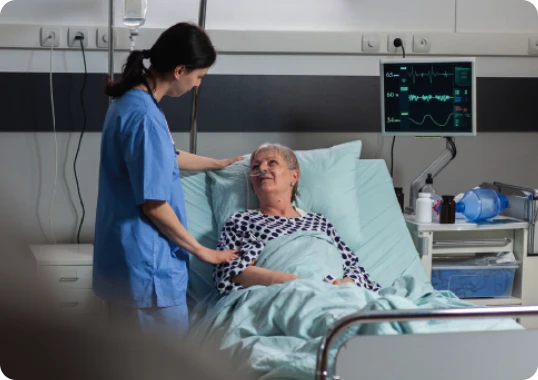
- Vital sign monitoring
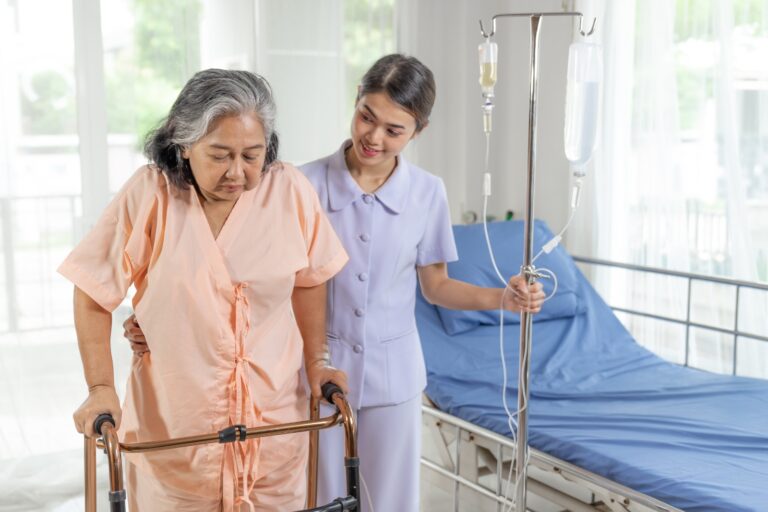
- Mobility support
- Hygiene assistance
- Infection prevention
- Rehabilitation support
The objective is to ensure patients recover safely in a comfortable environment.
Who Needs Home Nursing Care After Surgery?
Different patients recover at different speeds.
However, some individuals benefit greatly from professional nursing support.
1. Elderly Patients
Senior citizens often take longer to recover after surgery.
They may require help with:
- Walking
- Medication
- Dressing wounds
- Personal care
Elderly post-surgery care at home helps reduce complications.
2. Orthopedic Surgery Patients
Patients recovering from:
- Knee replacement
- Hip replacement
- Spine surgery
- Fractures
usually need mobility assistance and rehabilitation.
Professional nursing ensures safe movement and pain management.
3. Cardiac Surgery Patients
After heart-related surgery, patients require:
- Vital monitoring
- Medication supervision
- Restricted movement guidance
Regular observation becomes important.
4. Cancer Surgery Patients
Cancer patients often experience weakness after treatment.
Home nurses help with:
- Symptom management
- Medication
- Nutrition support
- Recovery monitoring
5. Major Surgical Recovery
Patients recovering from abdominal, neurological, or complicated surgeries may require extended support.
Services Included in Post-Surgery Nursing Care at Home
1. Wound Dressing and Infection Prevention
One of the most important responsibilities of a home nurse is wound management.
Nurses ensure:
- Proper dressing changes
- Infection prevention
- Healing progress monitoring
Early detection of complications reduces risks significantly.
2. Medication Management
Patients often take multiple medicines after surgery.
Home nurses help manage:
- Pain medications
- Antibiotics
- Injection schedules
- Medication reminders
This prevents missed doses or incorrect medication use.
3. Pain Monitoring and Comfort Care
Pain after surgery is normal but should be managed properly.
Nurses monitor:
- Pain levels
- Swelling
- Side effects
- Healing progress
They also coordinate with doctors when necessary.
4. Mobility Assistance
Many patients struggle with movement after surgery.
Nursing support helps with:
- Walking assistance
- Fall prevention
- Bed positioning
- Safe movement
This becomes particularly important for orthopedic patients.
5. Hygiene and Personal Care Support
Patients recovering from surgery may find daily tasks difficult.
Nurses assist with:
- Bathing
- Grooming
- Dressing
- Toileting assistance
Maintaining hygiene improves comfort and healing.
6. Vital Signs Monitoring
Regular monitoring helps identify complications early.
Nurses check:
- Blood pressure
- Temperature
- Pulse
- Oxygen levels
Any unusual changes can be addressed quickly.
7. Rehabilitation Support
Many surgeries require physiotherapy or gradual rehabilitation.
Home care professionals assist patients in regaining strength safely.
Benefits of Home Nursing Care After Surgery
Faster Recovery at Home
Patients generally recover faster in familiar surroundings.
Being at home reduces:
- Stress
- Anxiety
- Sleep disturbance
This positively impacts healing.
Reduced Hospital Readmission
Complications often happen due to poor aftercare.
Professional post-operative nursing care at home reduces infection risks and medical mistakes.
Personalized Attention
Unlike hospitals, home nursing focuses on one patient.
This improves monitoring and recovery quality.
Better Emotional Support
Patients often feel emotionally stronger around loved ones.
Family presence contributes to better mental well-being.
Convenience for Families
Family members often struggle to manage complex medical care.
Professional nurses reduce caregiver burden significantly.
Signs You Need a Home Nurse After Surgery
You should consider home nursing services after surgery if:
- Mobility is limited
- Dressing changes are required
- The patient is elderly
- Medication schedules are complicated
- Recovery feels slow
- The patient needs supervision
- Frequent hospital visits are difficult
Early support often prevents complications.
Tips for Faster Recovery After Surgery
Follow Medication Instructions
Never skip prescribed medication.
Maintain Proper Nutrition
Healthy food speeds healing.
Avoid Overexertion
Rest is equally important.
Follow Doctor Guidelines
Stick to movement restrictions and recovery plans.
Use Professional Nursing Support
Medical supervision improves safety.
Frequently Asked Questions
Why is home nursing care important after surgery?
It helps prevent complications, manage medications, monitor recovery, and ensure proper healing.
Can nurses change surgical dressings at home?
Yes, trained nurses provide wound dressing and infection management.
How long should nursing care continue after surgery?
It depends on surgery type, patient age, and recovery progress.
Is home nursing care safe after surgery?
Yes, when provided by trained professionals.
Who benefits most from post-surgery nursing care?
Elderly patients, orthopedic patients, cardiac patients, and those recovering from major surgery.
Final Thoughts
Recovery after surgery requires patience, proper care, and medical supervision.
Professional home nursing care after surgery helps patients heal safely while staying comfortable at home. From wound care and medication management to mobility support and emotional comfort, trained nurses play an important role in improving recovery outcomes.
Choosing reliable nursing services at home ensures peace of mind for families and better health outcomes for patients.
Contact Us for Professional Post-Surgery Nursing Care at Home
Need reliable home nursing care after surgery for your loved one? At Caremate Homecare LLP, trained nurses provide compassionate post-surgery care at home, medication management, wound dressing, recovery monitoring, and personalized patient support.
Contact us today to arrange trusted nursing care and ensure a safe recovery at home.