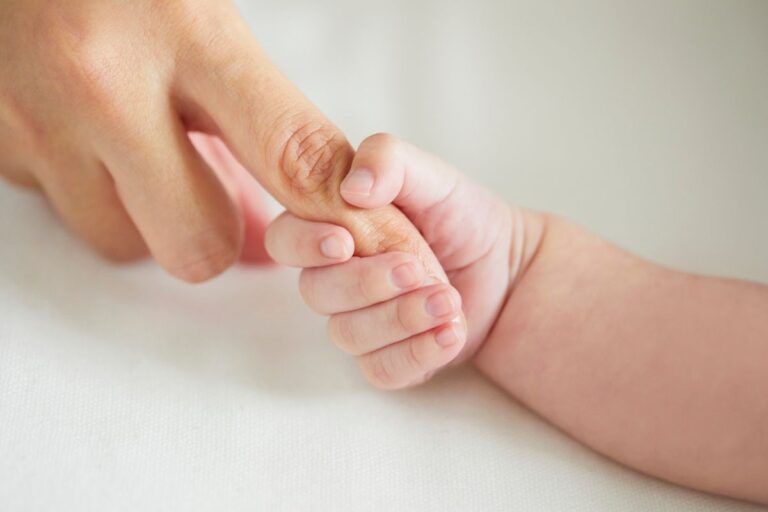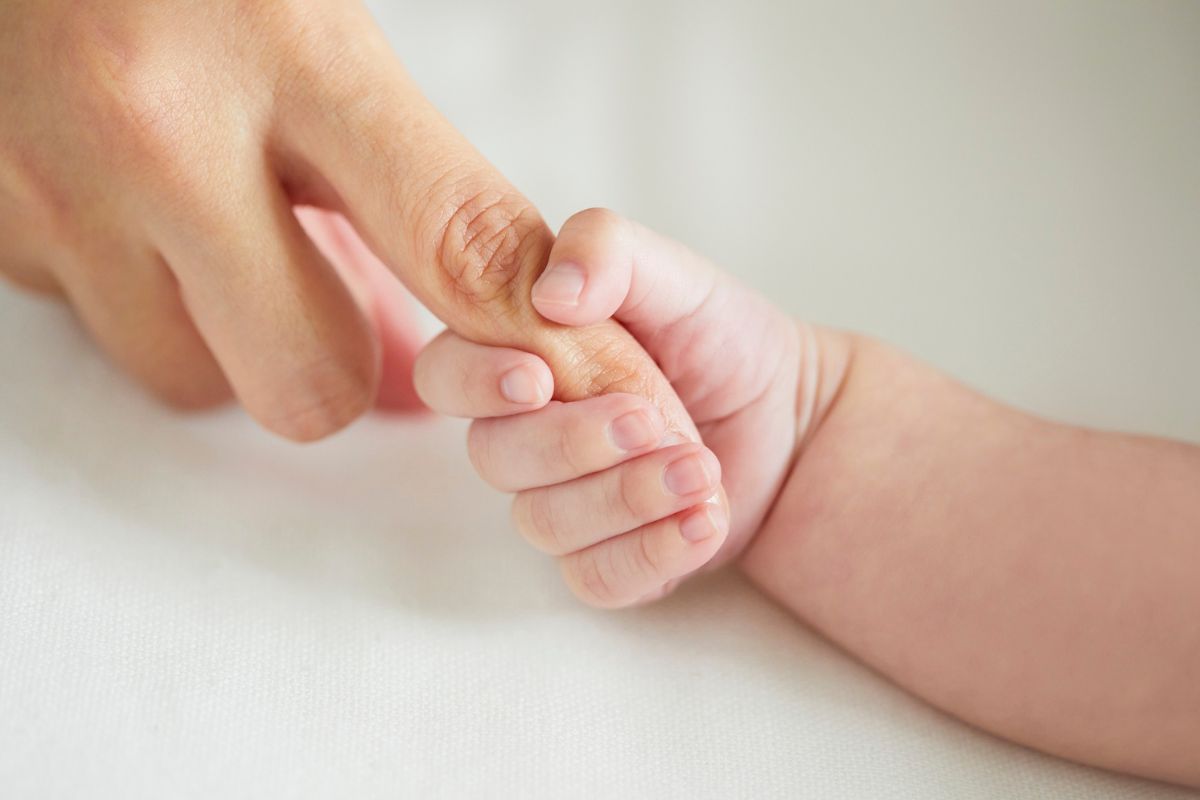

The transition into motherhood is a profound psychological and physical shift. In India, the first 40 days following childbirth are traditionally revered as a sacred window for healing. Clinically, this timeframe is known as the puerperium phase, a critical medical period where a mother’s body undergoes intense physiological regression to return to its pre-pregnancy state.
While family support is traditional in Kolkata, balancing ancient customs with evidence-based clinical protocols is vital to preventing complications. This comprehensive guide outlines the medical parameters you must monitor during these first 40 days to protect both mother and newborn.
1. Uterine Involution and Lochia Monitoring
Immediately after the delivery of the placenta, the uterus begins a process called involution—contracting firmly to restrict blood loss and return to its pelvic cavity location. This process triggers lochia, a multi-stage vaginal discharge:
- Lochia Rubra (Days 1–4): Deep red discharge consisting heavily of blood and fetal membranes.
- Lochia Serosa (Days 5–10): A thinner, pinkish-brown discharge rich in leukocytes and cervical mucus.
- Lochia Alba (Days 11–40): A yellowish-white discharge signaling the final stages of endometrial healing.
Clinical Warning Sign: If you notice lochia rubra returning after it has already faded, or if you saturate a standard sanitary pad in under an hour, this points to Postpartum Hemorrhage (PPH) or retained placental fragments. Immediate medical attention is required.
2. Specialized Postpartum Nutrition
A postpartum body requires specialized nutrition to repair damaged tissues and fuel lactation. A nursing mother burns an additional 500 calories per day, necessitating a nutrient-dense diet:
- Tissue Reconstruction: Prioritize lean proteins (such as eggs, lentils, stewed chicken, or paneer) to heal perineal tears or C-section abdominal incisions.
- Pelvic & Bone Density: Incorporate calcium-dense foods to counteract the structural calcium drawn during milk production.
- Digestive Tract Health: Postpartum constipation can put high physical stress on pelvic floors and stitches. Ensure a high-fiber intake through cooked vegetables and whole grains, paired with at least 3 liters of warm fluids daily.
3. Advanced Post-Surgical & Wound Care
Proper hygiene prevents localized infections from spreading to the pelvic organs:
- Perineal Tears & Episiotomies: Wash the area gently with warm water using a peri-bottle after every restroom visit. Pat the area dry with a sterile gauze pad from front to back—never rub the skin.
- Caesarean Section Incisions: Keep the surgical dressing clean and dry. Watch closely for warning signs of localized infection, such as skin warmth, redness expanding beyond the incision border, or yellowish fluid drainage. Avoid lifting any weights heavier than your baby to prevent incisional hernias.
4. Decoding Postpartum Mood Disorders
The sudden drop in progesterone and estrogen levels within 72 hours of delivery causes a temporary emotional shift:
- The Baby Blues: Experienced by nearly 80% of new mothers, this includes mild anxiety, weeping, and exhaustion. It typically peaks on day 5 and completely resolves by day 14.
- Postpartum Depression (PPD): If feelings of intense sadness, anxiety, or detachment from the baby persist beyond two weeks, it is a clinical diagnosis of PPD. This requires medical intervention, behavioral therapy, and compassionate support, completely free of social stigma.
The Caremate Advantage: Specialized Mother & Baby Care
Trying to balance physical healing with the demands of an erratic infant sleep cycle often leads to deep exhaustion. Caremate Homecare fills this gap by providing specialized Mother & Baby Care Services in Kolkata.
Our trained nurses and pediatric attendants manage clinical neonatal tracking, assist with difficult lactation latching techniques, perform sterile wound dressings for mothers, and provide evidence-based infant care. This ensures you receive structured medical support during this vulnerable recovery phase.
Secure Peace of Mind for Your Postpartum Recovery: Don’t navigate the complex puerperium phase alone. Click here to consult with Caremate’s Mother & Baby Care Experts or call us directly at 8910962496 to book a dedicated post-natal care nurse for your home.