
Living with diabetes means keeping a close eye on your body, but one of the most vulnerable areas is often the easiest to overlook: your feet. A minor blister from a new pair of walking shoes, a dry crack on your heel, or a tiny pebble tucked inside your sock can quietly escalate into a serious complication known as a diabetic foot ulcer.
When nerve damage (neuropathy) dulls your sensation and poor circulation slows your body’s natural healing response, your feet lose their built-in alarm system. You might not feel a wound developing until infection sets in. That is why proactive, everyday vigilance makes all the difference.
Whether you are managing diabetes yourself or caring for an aging parent or loved one, adopting a structured daily foot inspection routine can safeguard mobility, prevent hospital visits, and preserve overall quality of life.
Understanding Diabetic Foot Ulcers: Why Are Feet So Vulnerable?
A diabetic foot ulcer is an open sore or wound that typically develops on the bottom of the foot, the ball of the foot, or around bony prominences like the heels and toes. To manage them effectively, it helps to understand the underlying physiological chain reaction:
- Peripheral Neuropathy: Prolonged high blood sugar levels can damage peripheral nerves over time. This leads to numbness, tingling, or a complete loss of protective sensation. If you step on a sharp tack or wear tight footwear, you may not feel any pain.
- Peripheral Arterial Disease (PAD): Diabetes often narrows and hardens the arteries in the legs and feet, drastically reducing blood flow. Without adequate oxygen and nutrient delivery, even a microscopic break in the skin struggles to repair itself.
- Skin and Biomechanical Changes: Autonomic nerve dysfunction often impairs sweat production, leaving the skin unusually dry, brittle, and prone to cracking. Foot deformities—such as bunions, hammertoes, or Charcot foot—redistribute pressure unevenly, creating high-friction zones where ulcers frequently form.
When pressure, dryness, and lack of sensation intersect, a simple scrape can turn into an open wound within days.
Critical Warning Signs You Should Never Ignore
Early detection is the single most effective defense against diabetic foot complications. Because pain is often muted or absent, you must rely on visual and tactile cues. Contact your physician or a specialist immediately if you spot any of the following red flags:
1. Visible Skin Changes and Breakdown
- Persistent Redness or Discoloration: Red patches, especially around pressure points, often indicate friction or early tissue damage. In darker skin tones, this may appear as purplish, grayish, or hyperpigmented patches.
- Blisters, Calluses, and Corns: Never attempt “bathroom surgery” or use harsh chemical corn removers. Heavy calluses harbor built-up pressure underneath that can break down internal tissue before an ulcer breaks through the outer skin.
- Cracked or Peeling Skin: Deep fissures on the heels or between the toes act as open gateways for bacterial and fungal infections.
2. Temperature Fluctuations
- Localized Warmth: If one specific area of your foot feels distinctly warmer than the surrounding skin or the opposite foot, it frequently points to underlying inflammation or deep-tissue infection.
- Cold Feet: A foot that consistently feels icy to the touch can signal compromised blood supply, which drastically impairs wound healing.
3. Swelling, Drainage, and Odor
- Sudden or Asymmetrical Swelling: Edema in one foot or ankle can point to an acute infection, a sprain, or early Charcot arthropathy.
- Moisture or Fluid on Socks: Clear fluid, pus, or blood staining your socks or bedsheets is an unmistakable indicator of an open lesion.
- Foul Odor: A distinct, unpleasant smell coming from the foot or between the toes is a strong clinical sign of anaerobic bacterial colonization.
The 5-Minute Daily Foot Inspection Routine
Performing a thorough foot check does not need to be complicated. By turning this simple five-minute sequence into a non-negotiable daily habit—just like brushing your teeth—you can catch minor irritations before they escalate.
Step 1: Set the Stage
Pick a consistent time every day, such as right after your morning shower or right before getting into bed. Make sure you are sitting comfortably in a well-lit room. If natural daylight is dim, use a focused desk lamp or a high-powered flashlight.
Step 2: Visual Inspection (Top, Bottom, and Sides)
Examine every angle of both feet:
- Check the tops of your feet, your ankles, and around the nail beds.
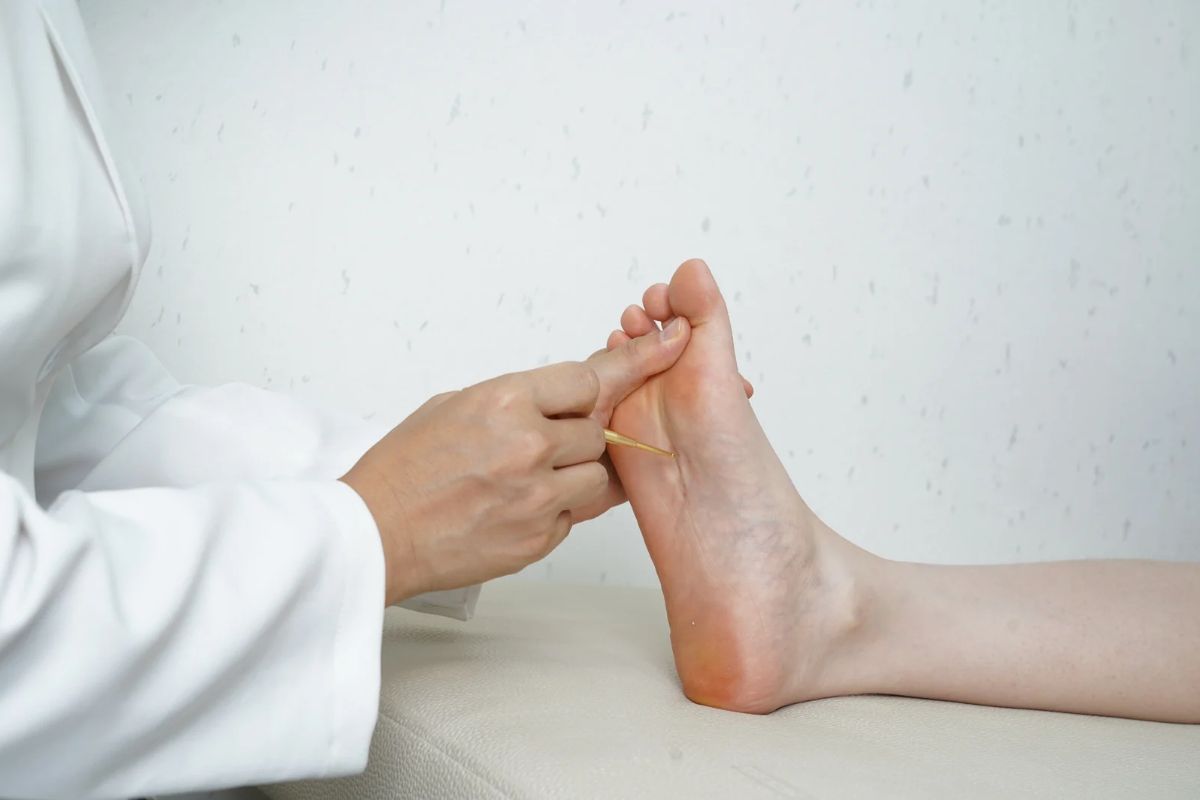
- Look closely at the soles, balls, and heels.
- Pro-Tip for Limited Mobility: If bending down or twisting your ankles is difficult due to back pain or joint stiffness, use an unbreakable handheld mirror placed flat on the floor, or ask a family member or home caregiver to assist you.
Step 3: Check Between the Toes
Gently separate each toe to inspect the web spaces. This dark, warm environment is a magnet for moisture buildup and athlete’s foot (tinea pedis). Look for white, soggy skin, redness, or peeling.
Step 4: The Gentle Touch Test
Using clean, dry hands, run your fingers over your feet:
- Feel for swollen areas, bumps, or unexpected firmness.
- Compare skin temperatures between your left and right foot.
- Check for dampness or rough, sandpaper-like patches.
Step 5: Inside-Out Footwear Check
Before putting on your shoes, pick them up and look inside. Run your hand along the inner lining and footbed to feel for loose pebbles, torn stitching, rough seams, or protruding nails. Always wear seamless, breathable socks that do not pinch your calves.
Best Practices for Everyday Foot Protection
Beyond your daily inspection checklist, everyday lifestyle habits help maintain supple, resilient skin:
- Wash with Lukewarm Water: Test bathwater with your wrist or a thermometer before stepping in; neuropathy can prevent you from feeling scalding temperatures. Use a gentle, fragrance-free cleanser, and pat your skin completely dry with a soft towel—never rub aggressively.
- Moisturize Strategically: Apply a quality, urea-based or petroleum-rich moisturizing lotion to the tops and soles of your feet to prevent cracking. Crucial rule: Never apply lotion between your toes, as excessive trapped moisture breeds fungal infections.
- Trim Toenails Straight Across: Cut toenails straight across and gently file sharp edges with an emery board. Avoid rounding the corners, which encourages painful ingrown toenails.
- Never Walk Barefoot: Even indoors on plush carpeting, avoid walking barefoot or in thin socks. A stray needle, dropped splinter of glass, or misplaced toy can penetrate unprotected skin without triggering an immediate pain response. Always wear supportive, closed-toe house slippers with sturdy soles.
When to Seek Professional Support at Home
Managing diabetic foot care, offloading footwear, dressing changes, and ongoing health monitoring can quickly become overwhelming for families balancing work and daily responsibilities. If mobility issues make traveling to outpatient clinics difficult, bringing professional medical attention directly to your living room is the safest choice.
Skilled home health care services offer specialized wound care nurses, physical therapists, and aides who can:
- Conduct objective, sterile wound assessments and monitor healing stages.
- Change advanced wound dressings to maintain a balanced, moist healing environment.
- Safely manage calluses and nail hygiene.
- Educate families on proper nutrition, blood glucose balance, and pressure-relieving techniques.
Catching an ulcer in its earliest stage can mean the difference between a simple outpatient dressing and a prolonged hospital stay. Having professional clinical eyes on your progress at home gives you peace of mind.
Frequently Asked Questions
1. How quickly can a diabetic foot ulcer develop?
Because neuropathy eliminates pain sensations, an ulcer can develop in as little as 24 to 48 hours. Continuous pressure from a tight shoe or an undetected blister can break down fragile skin rapidly, allowing bacteria to penetrate deep into soft tissues.
2. Can a diabetic foot ulcer heal on its own without medical treatment?
No. Diabetic ulcers rarely, if ever, heal without clinical intervention. Reduced blood flow, impaired immune defense, and ongoing pressure prevent natural recovery. Unmanaged ulcers can spread into the muscle, tendon, and bone (osteomyelitis), drastically raising the risk of amputation.
3. What should I do if I find a blister or open sore on my foot?
Gently cleanse the area with mild soap and water, pat it dry, apply a clean, sterile dry gauze pad, and avoid putting weight on that foot. Do not apply harsh antiseptics like rubbing alcohol or iodine, and do not pop the blister. Contact your medical provider or a skilled nursing service right away.
4. How do home health care services assist with diabetic wound care?
Skilled home nurses evaluate wound depth and circulation, clean and dress the wound using sterile techniques, monitor for systemic infections, and coordinate directly with your podiatrist or primary care physician, all from the comfort and safety of your home.
Protect Your Mobility: Schedule Compassionate In-Home Support Today
A healthy, active life begins from the ground up. You do not have to navigate the complexities of diabetic foot care, wound management, or chronic disease recovery alone.
At Caremate Homecare, our dedicated nurses and clinical caregivers deliver compassionate, personalized home health care services tailored specifically to your needs. From preventative skin assessments and dressing changes to complete daily living assistance, we ensure you or your loved one receives hospital-grade attention in the comfort of home.
Don’t wait for a minor blister to become a major complication. Book an appointment with our care coordinators today, or explore our services to learn how we can support your health and well-being every step of the way.