A stroke can change life in minutes. After the hospital stay, many families in Kolkata bring their loved one home feeling relieved but worried. How do you manage medicines, movement, meals, and emotions without a medical team nearby?
With a safe home, a clear routine, and the right professional support, stroke patient care at home can be safe, dignified, and effective. This guide covers post-stroke care step by step, from the first days after discharge to long-term stroke rehabilitation.
What to Expect After a Stroke
A stroke happens when blood flow to part of the brain is blocked (ischemic stroke) or a blood vessel bursts (hemorrhagic stroke). The effects depend on which area of the brain is affected. Common after-effects include:
- Weakness or paralysis on one side of the body (hemiparesis)
- Difficulty speaking or understanding speech (aphasia)
- Trouble swallowing (dysphagia)
- Memory, attention, and judgment problems
- Fatigue, mood swings, and depression
Ask the neurologist for a discharge summary listing your loved one’s specific needs, medicines, and follow-up dates.
Prepare Your Home Before Discharge
Stroke survivors are at high risk of falls, so a few changes make a big difference:
- Set up the bed in a room close to the bathroom, ideally on the ground floor.
- Remove loose rugs, wires, and clutter.
- Install grab bars, a non-slip bath mat, a shower chair, and a raised toilet seat.
- Consider an adjustable hospital bed with side rails and an anti-bedsore air mattress.
- Keep walkers, wheelchairs, or quad canes within reach, as advised by the physiotherapist.
- Use bright lighting and night lights in hallways.
If you need a hospital bed, wheelchair, or oxygen support, Caremate’s medical equipment service can arrange delivery before discharge.
Medication and Health Monitoring
Preventing a second stroke is the top priority. Medicines usually include blood thinners or antiplatelets, plus drugs for blood pressure, cholesterol, and diabetes.
- Use a weekly pill organiser and a written medicine chart.
- Never skip, double, or stop a dose without asking the doctor.
- Check blood pressure and blood sugar daily and note the readings.
- Watch for bleeding signs on blood thinners, such as black stools, nosebleeds, or unusual bruising.
- Keep every follow-up appointment with the neurologist.
Daily Care Routine for a Stroke Patient
Positioning and Bedsore Prevention
Patients who cannot move easily develop bedsores (pressure ulcers) quickly. Change position every two hours, use pillows to support the weak side, keep skin clean and dry, and check the heels, hips, and tailbone daily.
Safe Feeding and Swallowing
Dysphagia can let food enter the lungs and cause pneumonia. Seat the patient fully upright, offer small spoonfuls, follow any food-texture advice from the speech therapist, and keep them upright for 30 minutes after meals. Coughing or a wet, gurgly voice during meals needs medical attention. If your loved one has a feeding tube, ask a nurse to demonstrate proper tube care.
Hygiene, Bladder, and Bowel Care
Help with bathing, oral care, and dressing, but let the patient do what they can. Dress the weak side first. Offer regular toilet trips, enough fluids, and fibre-rich food to prevent constipation and urinary infections. If a catheter is in place, strict hygiene is essential.
Safe Transfers
Always support the weak side and never pull on the affected arm, as this can injure the shoulder. Let the stronger side lead when standing, and move slowly. A trained attendant can teach safe transfer techniques.
Stroke Rehabilitation at Home
Recovery is usually fastest in the first three to six months, though improvement can continue for years with consistent effort. A good rehabilitation plan combines:
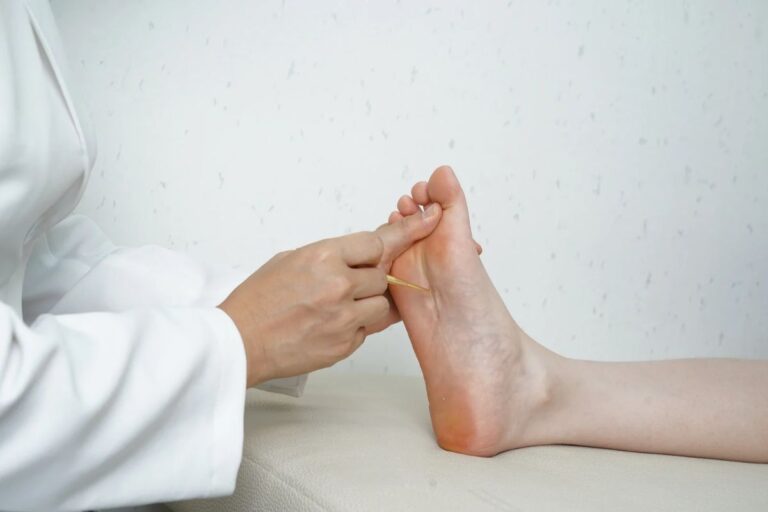
- Physiotherapy: rebuilds strength, balance, and walking. Explore our home physiotherapy services in Kolkata.
- Occupational therapy: relearns daily skills such as eating, dressing, and writing.
- Speech therapy: improves speech, language, and swallowing.
Short daily sessions work better than long, tiring ones. For aphasia, speak slowly, use simple sentences, give time to answer, and support words with gestures or pictures. Never finish sentences for the patient unless they ask.
Emotional Support and Mental Health
Post-stroke depression and anxiety are common, and frustration is natural when everyday tasks become hard. Celebrate small wins, encourage conversation with family and friends, and keep a predictable routine. If sadness, withdrawal, or changes in sleep and appetite continue, speak to the doctor.
Stroke Recovery Diet
A heart-healthy diet lowers the risk of another stroke:
- Cut down salt, pickles, papad, and packaged snacks.
- Use less oil and avoid deep-fried foods.
- Add vegetables, fruit, whole grains, pulses, and fish.
- Control sugar if the patient is diabetic.
- Give enough fluids unless the doctor restricts them.
Common Mistakes to Avoid
- Skipping physiotherapy because the patient seems tired or in low spirits
- Giving thin liquids or regular food despite swallowing problems
- Overprotecting the patient, which delays independence
- Ignoring blood pressure and sugar readings
- Stopping medicines once the patient “feels better”
Warning Signs: When to Call for Emergency Help
Remember FAST:
- Face drooping on one side
- Arm weakness or numbness
- Speech slurred or confused
- Time to call an ambulance immediately
In India, call 112 or your local ambulance service. Also seek urgent help for sudden severe headache, seizure, new confusion, chest pain, breathing trouble, or sudden vision loss.
Look After the Caregiver Too
Caring for a stroke survivor is exhausting. Share responsibilities, take regular breaks, and accept help. Caregiver burnout is real, and a rested caregiver gives better care.
When to Hire Professional Home Care
A professional team can step in with:
- Trained home nurses for medicines, vitals, and tube or catheter care
- Patient attendants for bathing, feeding, and mobility help
- Home physiotherapists for rehabilitation exercises
At Caremate Homecare, our nursing care and senior care teams in Kolkata create a personalised plan and keep your family updated regularly. Call 8910962496 to book a consultation.
FAQs
How long does stroke recovery take at home?
It varies. Most improvement happens in the first six months, but progress can continue for a year or more with regular therapy.
Can a stroke patient fully recover?
Some people regain most abilities, while others live with lasting effects. Early, consistent rehabilitation improves the outcome.
Should a stroke patient rest or exercise?
Both. Rest matters, but gentle, doctor-approved movement prevents stiffness and speeds recovery.
Is home care better than a rehabilitation centre?
For many families, home care offers comfort and one-to-one attention, especially with a trained nurse and physiotherapist.
Final Thoughts
Stroke recovery takes patience, routine, and support. With a safe home, steady rehabilitation, and professional help when needed, your loved one can regain confidence and comfort. You do not have to do it alone. Caremate Homecare is here to help.