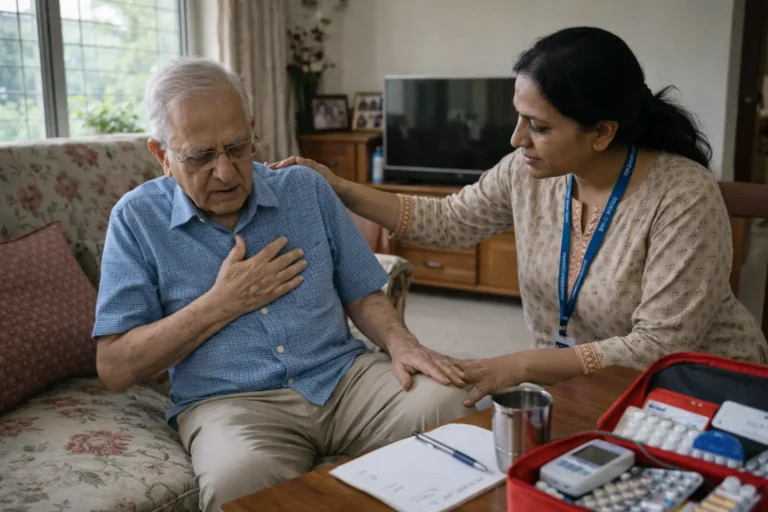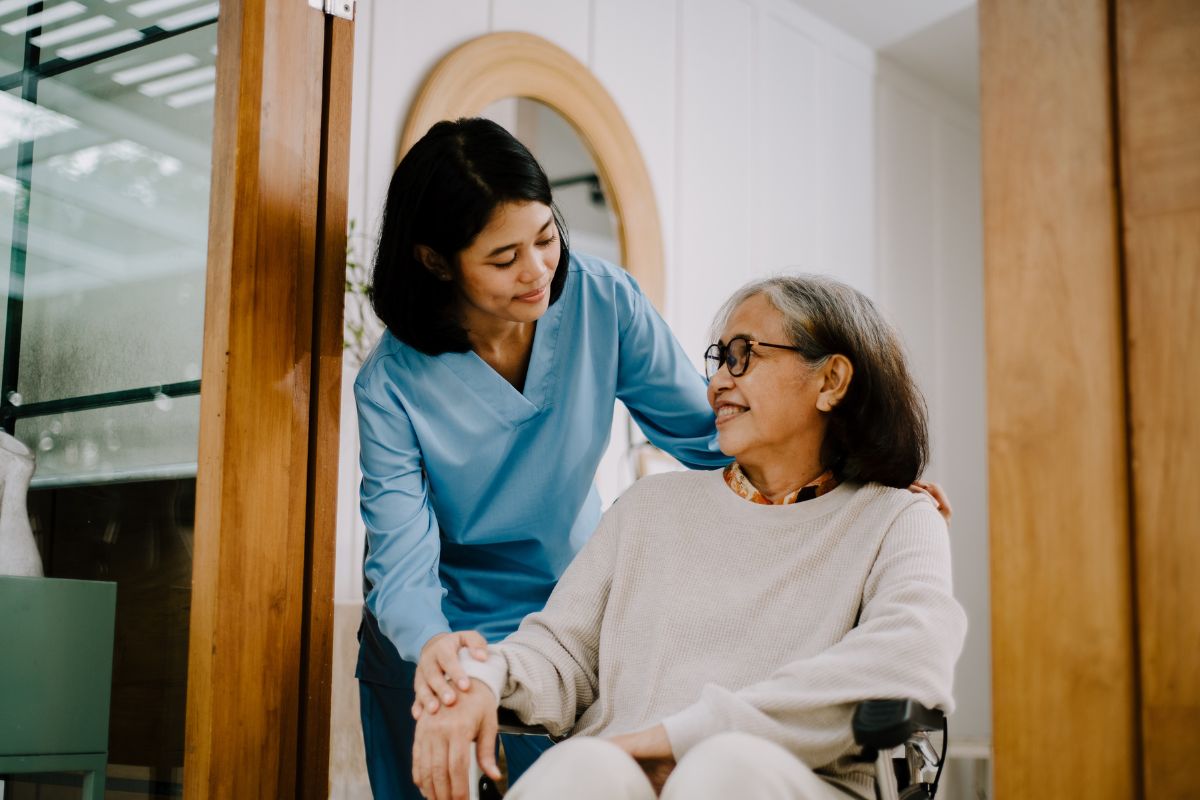

As parents grow older, caring for them becomes both a responsibility and an emotional journey. Many families try their best to manage elderly care on their own, but there comes a time when professional support becomes necessary. Aging often brings physical limitations, medical conditions, emotional changes, and increased dependence that may require specialized attention.
If you have been wondering whether your elderly parent needs additional support, recognizing the early warning signs can help ensure they receive the right care at the right time.
In this blog, we will discuss the top signs your elderly parents may need professional senior care at home, the benefits of elderly home care, and how expert caregivers can improve quality of life.
Why Senior Care at Home Is Becoming Essential
With increasing age, seniors often require help with daily activities, medication management, mobility assistance, and emotional companionship. Many families today prefer senior care services at home because it allows elderly loved ones to remain in a familiar environment while receiving personalized care.
Unlike hospitals or care homes, elderly care at home provides comfort, independence, and one-on-one support tailored to individual health needs.
Professional caregivers can assist with:
- Daily living activities
- Medication reminders
- Personal hygiene support
- Mobility assistance
- Companionship
- Chronic disease management
- Post-hospital recovery
- Dementia and Alzheimer’s support
Now, let’s understand the signs that indicate your aging parents may require professional care.
1. Difficulty Managing Daily Activities
One of the earliest signs is when seniors begin struggling with everyday tasks.
You may notice your parents finding it difficult to:
- Cook meals
- Take baths
- Dress independently
- Use the washroom safely
- Maintain personal hygiene
If these routine activities become challenging, it may be time to consider a professional caregiver for elderly care at home.
Professional caregivers help seniors maintain dignity while receiving assistance with everyday tasks.
2. Frequent Falls or Mobility Problems
Falls are one of the biggest risks among elderly people.
If your parents:
- Frequently lose balance
- Have difficulty walking
- Use furniture for support
- Avoid climbing stairs
These are signs they may need mobility assistance.
Professional senior care services include walking support, transfer assistance, and fall prevention measures to improve safety at home.
Home caregivers also help reduce accidents and emergency hospital visits.
3. Forgetfulness and Memory Loss
Occasional forgetfulness is common with aging. However, repeated memory problems may indicate a deeper concern.
Watch for signs like:
- Missing medications
- Forgetting appointments
- Leaving gas stoves on
- Repeating questions
- Getting confused easily
These symptoms may indicate cognitive decline, dementia, or Alzheimer’s disease.
Professional elder care services provide memory support and structured care routines that ensure safety and emotional comfort.
4. Poor Nutrition and Weight Loss
Have you noticed expired food in the kitchen or sudden weight loss?
Many elderly individuals stop eating properly due to:
- Difficulty cooking
- Reduced appetite
- Dental issues
- Depression
- Medication side effects
Poor nutrition can weaken immunity and worsen medical conditions.
A senior home caregiver can help prepare healthy meals, monitor eating habits, and ensure seniors receive proper nutrition.
5. Medication Mismanagement
Many elderly people take multiple medications for diabetes, blood pressure, heart disease, arthritis, or other chronic illnesses.
Missing doses or taking the wrong medication can become dangerous.
Warning signs include:
- Confusion about medicine schedules
- Missed medications
- Overdosing accidentally
- Unopened prescriptions
Professional caregivers and trained nursing attendants ensure proper medication reminders and monitoring.
This is particularly important for seniors recovering from surgery or chronic illnesses.
6. Personal Hygiene Neglect
Poor grooming habits can signal declining health or mobility issues.
You may notice:
- Unwashed clothes
- Body odor
- Untidy appearance
- Difficulty bathing
Personal hygiene is essential for both physical and emotional well-being.
A trained elderly caregiver at home helps seniors with grooming, bathing, dressing, and maintaining cleanliness while preserving dignity.
7. Isolation and Loneliness
Many seniors experience loneliness, especially if they live alone or their children live in different cities.
Social isolation can lead to:
- Anxiety
- Depression
- Emotional distress
- Cognitive decline
Signs of loneliness include:
- Lack of interest in activities
- Mood changes
- Sleeping too much
- Avoiding social interaction
Professional companionship care for seniors helps improve emotional well-being.
Caregivers often become trusted companions who engage seniors in conversations, walks, hobbies, and daily activities.
8. Frequent Medical Emergencies
If your parent has repeated hospital visits, emergency situations, or worsening chronic conditions, professional support may be necessary.
Conditions that often require home-based senior care include:
- Stroke recovery
- Parkinson’s disease
- Diabetes
- Heart disease
- Arthritis
- Respiratory illness
Having trained caregivers at home ensures proper monitoring and faster response during emergencies.
9. Unsafe Living Conditions
Sometimes the condition of the house itself tells the story.
Signs include:
- Unpaid bills
- Untidy home
- Forgotten household chores
- Clutter causing fall risks
- Spoiled food
These changes may indicate that your parent is struggling to manage daily life independently.
Professional home care for senior citizens helps maintain a safe and organized living environment.
10. Family Caregiver Burnout
Caring for elderly parents is emotionally demanding.
Family caregivers often experience:
- Stress
- Physical exhaustion
- Anxiety
- Lack of sleep
- Work-life imbalance
Seeking professional help is not about replacing family care, it is about providing better support.
With a trusted senior care service at home, families can focus on spending meaningful time with loved ones instead of feeling overwhelmed.
Benefits of Professional Senior Care at Home
Hiring professional senior care offers multiple advantages:
Personalized Care
Every senior receives customized support based on medical and personal needs.
Comfort of Home
Seniors stay in familiar surroundings, reducing stress and anxiety.
Better Safety
Reduced risk of falls, accidents, and medication errors.
Emotional Support
Caregivers provide companionship and emotional care.
Peace of Mind for Families
Families gain reassurance knowing their loved one is in safe hands.
How to Choose the Right Senior Care Service
Before hiring a senior caregiver, consider:
Experience and Training
Choose trained caregivers experienced in elderly care.
Personalized Care Plans
Look for services tailored to your loved one’s needs.
Availability
Ensure support for part-time, full-time, or 24/7 care.
Medical Assistance
Choose providers offering trained attendants and nursing support if required.
Reputation
Check reviews, service quality, and caregiver background verification.
Frequently Asked Questions
When should elderly parents get home care?
If they struggle with daily activities, mobility, medication management, or show signs of loneliness, professional home care may help.
Is senior care at home better than an old-age home?
For many families, yes. Home care provides personalized attention, emotional comfort, and familiar surroundings.
What services are included in senior care at home?
Services may include personal care, companionship, medication reminders, mobility support, meal assistance, and health monitoring.
Can senior care services help people with dementia?
Yes, trained caregivers can support seniors dealing with dementia or memory-related conditions.
Final Thoughts
Watching parents grow older can be emotionally difficult, but recognizing when they need help is one of the greatest acts of care.
Professional senior care services at home can significantly improve the safety, comfort, and happiness of elderly loved ones while reducing family stress.
If your parents are showing any of these signs, seeking timely support can make a meaningful difference in their quality of life.
Contact Us for Trusted Senior Care Services
Looking for reliable and compassionate senior care services at home for your loved ones?
The trained caregivers at Caremate Homecare LLP provide personalized elderly care, companionship, mobility support, and health assistance in the comfort of the home.
Contact us today to discuss your care needs and find the right support for your elderly family members.