
Recovering from a serious illness, surgery, stroke, or prolonged hospitalization can be physically and emotionally challenging for both patients and families. Many patients who leave the hospital still require continuous monitoring, nursing support, and specialized medical care. However, staying in the hospital for extended periods is not always comfortable or affordable.
This is where ICU care at home becomes an effective solution.
Today, many families are choosing critical care services at home to provide hospital-level treatment in a comfortable home environment. With trained nurses, medical equipment, and personalized monitoring, patients can recover safely while staying close to loved ones.
In this guide, we will explain everything you need to know about home ICU care, including benefits, services, eligibility, costs, and when it becomes necessary.
What Is ICU Care at Home?
ICU care at home refers to specialized medical support provided to critically ill or recovering patients in their homes.
It is designed for patients who need:
- Continuous medical observation
- Oxygen therapy
- Ventilator support
- Trained nursing assistance
- Medication administration
- Post-surgery monitoring
- Rehabilitation support
With advanced healthcare technology, many hospital ICU services can now be safely delivered at home through trained professionals and medical equipment.
A home ICU setup usually includes expert nursing care, doctor consultation, physiotherapy, and monitoring devices.
Who Needs ICU Care at Home?
Not every patient requires ICU-level care at home. However, certain medical conditions make home-based intensive care highly beneficial.
1. Post-Surgery Recovery Patients
Patients recovering from:
- Major surgery
- Cardiac surgery
- Brain surgery
- Orthopedic surgery
- Cancer treatment
often need close observation after discharge.
ICU care at home helps ensure safe recovery while minimizing the risk of infection.
2. Stroke Patients
Stroke patients often experience limited mobility, speech issues, or paralysis.
Critical care services at home provide:
- Monitoring
- Mobility support
- Medication assistance
- Rehabilitation care
3. Elderly Critical Patients
Senior citizens with multiple health complications may need continuous medical supervision.
Conditions include:
- Severe respiratory illness
- Chronic disease complications
- Neurological disorders
- Advanced age-related health issues
4. Patients Requiring Ventilator Support
Some individuals require ventilators or breathing support after hospitalization.
Professional ventilator care at home allows patients to recover comfortably under expert supervision.
5. Cancer Patients
Cancer patients undergoing intensive treatment may require:
- Pain management
- Medication monitoring
- Infection prevention
- Palliative care
Professional nursing ensures compassionate support.
Services Included in ICU Care at Home
Many people assume ICU care at home only means a nurse visit. However, it includes much more.
1. Trained Critical Care Nurses
Professional ICU nurses are trained to manage:
- Vital monitoring
- Emergency care
- Medication administration
- IV fluid management
- Patient hygiene
These nurses provide around-the-clock support if needed.
2. Medical Equipment Setup
Depending on patient needs, a home ICU setup may include:
- Oxygen concentrators
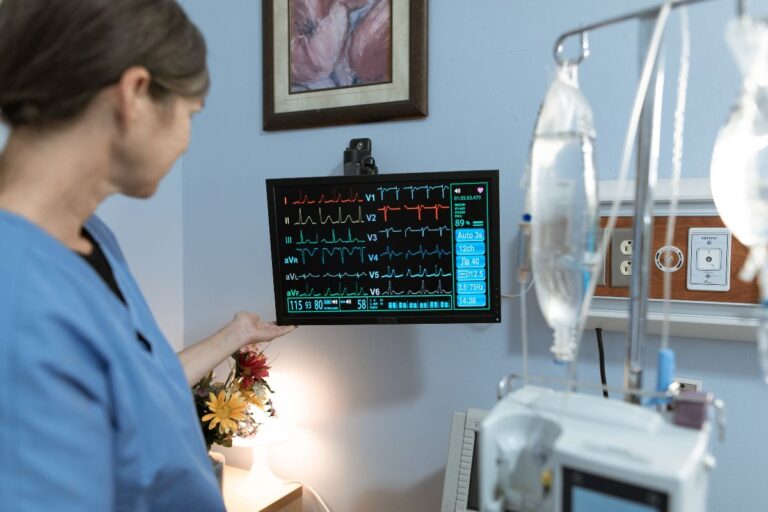
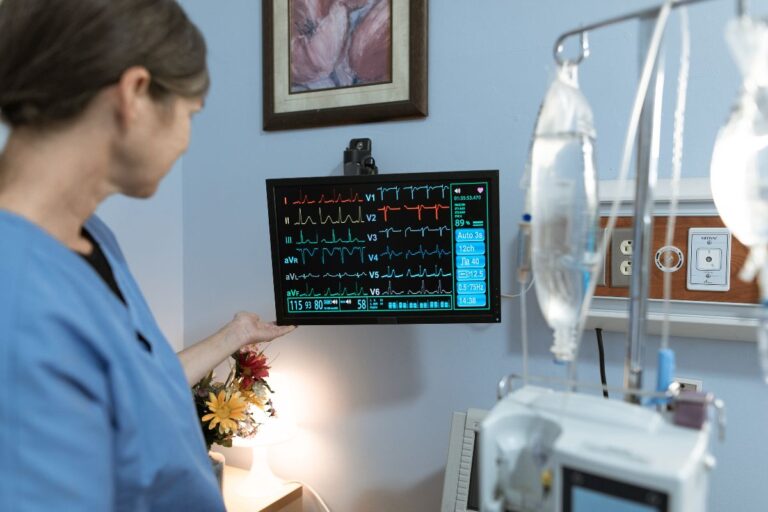
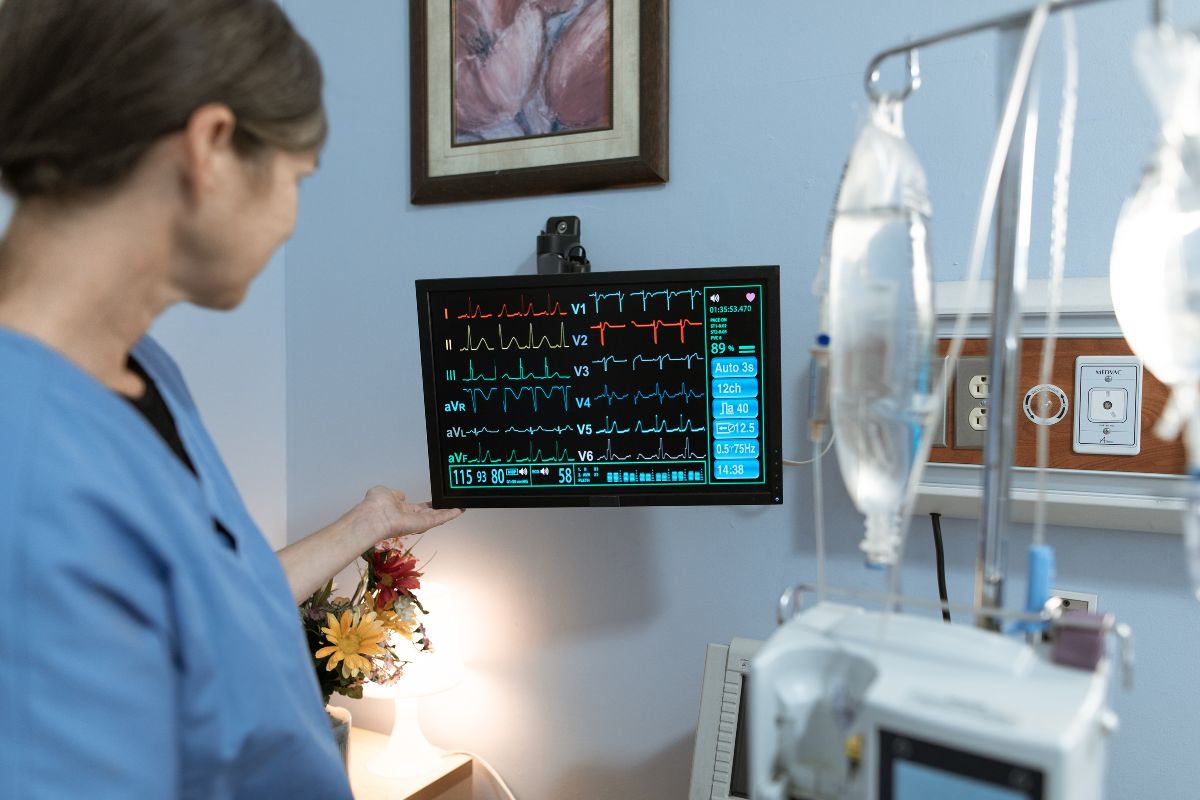
- Cardiac monitors
- BiPAP/CPAP machines
- Ventilators
- Suction machines
- Hospital beds
- Pulse oximeters
This helps recreate a safe hospital-like environment at home.
3. Doctor Consultation at Home
Many critical care services include:
- Doctor visits
- Health assessments
- Medical supervision
- Recovery planning
Doctors regularly evaluate progress and adjust treatment plans.
4. Medication Management
Patients in critical condition often take multiple medications.
Nurses ensure:
- Timely medication
- Injection administration
- IV support
- Correct dosage management
5. Physiotherapy Support
Many ICU patients lose muscle strength during hospitalization.
Home physiotherapy helps improve:
- Mobility
- Muscle recovery
- Strength
- Balance
- Independence
Benefits of ICU Care at Home
Comfort and Familiar Environment
Patients often recover faster in familiar surroundings.
Being at home reduces:
- Stress
- Anxiety
- Depression
Emotional support from family also improves recovery outcomes.
Reduced Risk of Hospital Infections
Hospitals expose patients to infections.
Recovering at home lowers the chances of:
- Secondary infections
- Cross-contamination
- Immune complications
Personalized Attention
Unlike hospitals where one nurse attends multiple patients, critical care at home provides one-on-one attention.
This improves monitoring and patient comfort.
Better Emotional Well-Being
Patients feel more secure around loved ones.
This emotional stability positively affects physical recovery.
Cost-Effective Care
Long-term hospital ICU stays can be expensive.
In many cases, ICU care at home offers a more affordable alternative without compromising quality care.
Signs a Patient May Need ICU Care at Home
Families should consider home ICU services if the patient:
- Requires oxygen support
- Needs continuous monitoring
- Has mobility limitations
- Requires frequent nursing care
- Recently left ICU or hospital
- Needs ventilator support
- Has serious chronic illness
Consulting healthcare professionals helps determine suitability.
How to Prepare for ICU Setup at Home
Create a Dedicated Patient Space
Choose a quiet room with:
- Good ventilation
- Easy accessibility
- Electrical outlets for equipment
Arrange Medical Equipment
Depending on the condition, install:
- Adjustable hospital bed
- Monitoring devices
- Oxygen system
Hire Trained Professionals
Ensure caregivers are:
- Experienced in ICU care
- Certified and trained
- Available for emergency support
Keep Emergency Contacts Ready
Always maintain quick access to:
- Doctors
- Hospitals
- Ambulance services
Common Challenges in Home ICU Care
Although beneficial, families should consider:
Equipment Management
Proper setup is essential.
Emergency Preparedness
Critical patients may occasionally need hospital support.
Skilled Nursing Availability
Always choose experienced caregivers.
Family Involvement
Family members should understand the patient’s needs.
Frequently Asked Questions
Is ICU care possible at home?
Yes. With proper equipment and trained professionals, many ICU-level services can be safely provided at home.
Who can benefit from ICU care at home?
Patients recovering from surgery, stroke, chronic illness, respiratory issues, or critical hospitalization.
Is ICU care at home safe?
Yes, when managed by trained healthcare providers and monitored properly.
What equipment is required for an ICU setup at home?
Equipment may include oxygen concentrators, monitors, ventilators, hospital beds, and suction machines, depending on the patient’s condition.
Final Thoughts
For patients needing continued medical supervision after hospitalization, ICU care at home offers a practical and compassionate solution.
It combines hospital-level support with the emotional comfort of staying at home. With trained professionals, proper medical equipment, and family involvement, patients can recover safely while maintaining dignity and peace of mind.
Contact Us for Professional ICU Care at Home
Need trusted ICU care at home for your loved one? At Caremate Homecare LLP, trained nurses and healthcare professionals provide personalized critical care services at home, including monitoring, ventilator support, nursing assistance, and post-hospital recovery care.
Contact us today to discuss your patient’s needs and arrange professional ICU support at home.